movie: The Long Goodbye (1973)

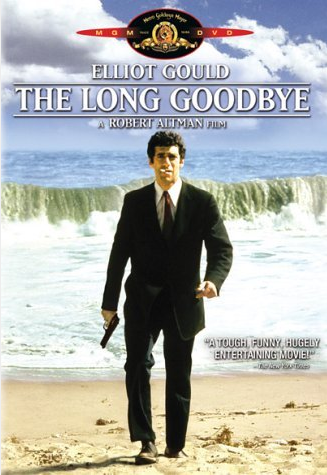
longgoodbyeThis 1973 film is based on the 1953 book by Raymond Chandler, which I read so long ago (and apparently pre-blog) that I don’t entirely trust my recollections. I’m pretty sure there are significant divergences in movie form from the plot of the book – what else is new.

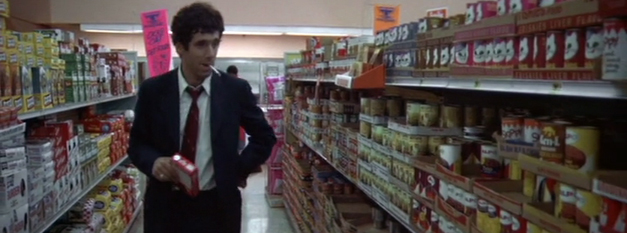
Raymond Chandler’s 1940’s-50’s private detective hero, Philip Marlowe, has been updated here to fit into 1970’s Hollywood. In the opening scene, Marlowe is awakened by his cat, who insists on being fed at 3 in the morning; upon awakening, the first thing Marlowe does is light up a cigarette, an action we will see repeated ad nauseam. (Husband and I guesstimate that at least 50 cigarettes are smoked in this movie by Marlowe alone. The only times he’s not smoking are when he’s lighting up or in police custody.) He then heads to the 24-hour store for cat food. Still smoking.

and brownie mix, for the hippie neighbor girls

and brownie mix, for the hippie neighbor girls

Marlowe’s friend Lennox asks for a ride into Tijuana following some trouble with his wife; after performing this favor, the cops show up to inform Marlowe that Lennox had just killed his wife, an accusation that Marlowe does not believe. Likewise Lennox’s apparent suicide in Mexico a few days later. Meanwhile, Marlowe takes a case from a ritzy blonde wife of a temporarily missing alcoholic writer who is so Hemingway:
hem
This couple, the Wades, turn out to be tied up with the now-dead Lennoxes. Marlowe’s old-fashioned loyalty to his friend is poorly rewarded. He loses his cat. It’s a sad story.

Despite numerous plot changes from the novel (Wikipedia agrees), and the notable reset to 1970’s California, including violent gangsters and a young Arnold Schwarzenegger I had trouble recognizing, I thought this movie did faithfully reflect the iconic character of Philip Marlowe. I liked the humorous addition of the hippie neighbor girls (topless, with the candles and their yoga, a great distraction to Marlowe’s male visitors) and the (less humorous) gangsters, too. The ending in Mexico was the greatest divergence from the novel but I can appreciate it. Overall, a real win: this film keeps the spirit of the original and updates it somewhat, and great visuals and Marlowe’s pulpy, rough demeanor appropriately take center stage.


Rating: 8 portraits of James Madison.

movie: Strangers on a Train (1951)

I recently corralled Husband for a movie and found this one, which has been on my list. You will recall that I quite enjoyed the book, by Patricia Highsmith. And the film has a pedigree: besides Highsmith’s novel as inspiration, the screenplay was written by Raymond Chandler, and it’s directed by Alfred Hitchcock. Farley Granger is Guy Haines; Ruth Roman is Anne Morton; and Robert Walker is Bruno Anthony.

Bruno and Guy, on the train

Bruno and Guy, on the train

The mood of the novel is preserved here. Bruno is creepy, all the more so because he has an upbeat patter in his first meeting with Guy that belies his insanity; Guy doesn’t even notice what he has “agreed” to in Bruno’s good spirits, although Guy clearly does see that there’s something a little wrong with his new acquaintance.

There were – as there always are – many changes from novel to screen. I enjoyed the character of Anne’s little sister, who was not present in the book; she added something to the plot and was a likeable divergence. Bruno becomes more genteel and Guy becomes a tennis player rather than an architect; these changes worked just fine for me. I was a little more nonplussed at the major plot variation involving the second murder – I’ll say no more, in case there are innocents among my readers today who may still want to enjoy book, movie, or both. But the movie still worked, and my upset was not so great that it ruined it for me (as it sometimes does!) so I guess I can be forgiving.

My main criticism would be in the final scene involving a merry-go-round. Maybe it worked better at the time of the film’s release, in 1951; but in 2013, Husband and I laughed and laughed at a scene that should have had us biting our fingernails. It was ridiculous. Again, I’ll leave it at that.

For atmosphere, this movie nails it, both as an adaptation of Patricia Highsmith’s novel and as a standalone. For plot and engaging the viewer, it works quite well until the final laughable action scene. I’m not sorry I spent an hour and 40 minutes on it.


Rating: 5 lighters.

notes on Young Men and Fire by Norman Maclean

young men and fireI decided to do a whole separate post (because my review was… long) sharing my notes as I read this book. As I’ve said before, I like to use a scrap of blank paper as a bookmark because I can takes notes on it. Often these are words I’m unfamiliar with, with page numbers, so I can look them up and reread them in their context; quotations with page numbers; or notes of concepts I want to include in a review. Some books fill a quarter-page piece of scrap paper with notes; some have 2-3 notes; a fair minority of the time, I can get all the way through a book with no notes at all and write a review from memory.

Young Men and Fire filled 3 quarter-page scraps of paper and part of a 4th, and I was writing very small. So I wanted to share these notes here. I’ve expanded them slightly to explain to you what I was noting; but still they are basically marginalia. [My page numbers refer to the 1992 hardback from the University of Chicago Press that I got from my local library.] I also left off a few that turned out to be less interesting avenues of pursuit, or that turned out to be personal.

  • author photo: this V.C. Wald 1981 portrait of Maclean in a boat, looking down, is evocative for me and I love it. (see bottom of post)
  • Ehrlich & Dillard blurbs: on the back of the book (among others). Gretel Ehrlich is one of those I had never heard of til I had, and now I see her everywhere. Dillard is one I’ve heard lots about, and it’s finally time for me to read her.
  • like The Perfect Storm: science, weather, geography – actually like it in subject too
  • takes his reader in hand to guide her on this together-journey
  • “left a world that is still burned out.” 86
  • “a mystery of the universe is how it has managed to survive with so much volunteer help.” 112 (having worked with volunteers, and been a volunteer myself, I found this quite apt and funny.)
  • great comments on human nature 114-15. “…most people think they can be of help, and some even seem born to rescue others, as poets think they are.”
  • stations of the cross (a concept that I had to look up: I am unapologetic about being an atheist, but regret a little how uneducated I am in the religions that I don’t believe in)
  • Custer: turns out to be a subject of sort of secondary obsession for Maclean. apparently The Norman Maclean Reader includes his unpublished notes on Custer that were headed for being their own book. I am looking into this.
  • poem 201: I had to look up a poem that was quoted without attribution; it turned out to be “In Flanders Fields” by Colonel John McCrae.
  • “I added a final truism for myself, ‘True poems are hard to find.'” 202
  • “Beer doesn’t seem to do much to remove dehydration, but it makes it easier to admit error.” … “We were too tired to sit down in the shade, if there was any, so we put the plastic bag with the rest of the beer between us on the hot hood of the engine. We figured, since beer couldn’t take away dehydration, we might as well drink it warm.” 209. What I can say, I guess I collect literary quotations about beer.
  • sewing machines 214. The scene described is one in which the smokejumpers play a game of volleyball, watched by visitors from The General Public, who are surprised the smokejumpers are “not as big as the Minnesota Vikings,” and after the game is over, “to the ever-increasing surprise of the visitors, would sit in front of sewing machines and peacefully mend their parachutes. They were very skillful with their sewing machines and damn well better have been, since their lives hung on their parachutes.” This one is for my mother, who not only collects sewing machines but also uses them. She also collects instances of the intersection of manliness and sewing machines – not as rare as you might think, it turns out. (She still has not gotten Husband onto one.)
  • this story in Fire Season? and Jumping Fire? note to self to go and check on the Mann Gulch’s appearance(s) in the two books; I’m sure it must be there…
  • story 214-15: a brief anecdote I appreciated, told by Hal Samsel
  • “…a storyteller should never look at a day as lost if he has learned something about how to tell stories, especially about how to make them shorter.” (which is a lesson Maclean learns from Hal, above.) 215
  • Ancient Age 216: a brand of bourbon that I confess I had to look up (I like Knob Creek myself, if you’re taking notes)
  • I begin to see clearly that I favor those authors who booze. Hemingway, Abbey, Burke, and Maclean, I’m looking at you.
  • math 229-30 and on… another note for my mother, who is a math person (geometry particularly) and might appreciate this discussion of math, its challenges, and its value, not to mention the math itself, complete with charts and graphs, that helps explain the Mann Gulch fire
  • Black Larry: the real-life character in Fire Season who recommended I read this book. make a note to send him a note.
  • silviculture 247: from the US Forest Service: “Silviculture is the art and science of controlling the establishment, growth, composition, health and quality of forests and woodlands to meet the diverse needs and values of landowners and society on a sustainable basis.” Maclean uses it in a way that suggests an earlier meaning (at least to him), of the science of controlling forests to meet the needs of loggers, which is not really the same thing as the above definition.
  • anemometer 248: An instrument for measuring the speed of the wind, or of any current of gas.
  • Phil Connors – management – Rothermel – 256: another note to check Fire Season for reference to a man named Rothermel who helped rework the Forest Service’s policies on managing fires rather than just always fighting them. again, I’m sure it’s in there.
  • (back to The Perfect Storm) as I remember it, Junger never addresses much his own strengths or weaknesses with the technical aspect of his research, that is, the science. Maclean does; he pokes fun at his limits with math. This brings in his own personality & amuses me. Also Junger never becomes a character until his final comments(?), whereas Maclean is a major character, necessarily, throughout.
  • “All of us have the privilege to choose what we wish to visualize as the edge of reality. Either tier of crosses allows us to picture the dead as dying with their boots on. On some of the bodies all but the boots were burned off. If you have lived a life that has thrown you in contact many times with nature, you have already discovered that sometimes you can deal with nature only by allowing it to push back what until now you and others thought were its edges.” 277
  • elements – title: I discussed this in my book review, how Maclean adds “young men” to our list of the elements, normally four: earth, air, fire, and water. thus the title of the book.

As you can see, this book inspired many ruminations in me, some still unfinished.

Many thanks to Veronica Wald for sharing this on her blog! It’s worth clicking the link above for the story of the iconic photo.

the books I’ve listened to that simply must be audio

It has taken me weeks to post this – sorry! But I did have some interest, in the comments on a past post, in those books I’ve listened to that I feel really must be experienced as audiobooks. Here’s a briefly annotated list.

  • Bossypants by Tina Fey, and read by the author: surely this will be obvious? Tina Fey is hilarious and you should let her tell you her story. Qualification: there are images in the book that you miss on the audio version.
  • The Likeness by Tana French: I’ve enjoyed some of hers in print and in audio, but this is my favorite and I feel strongly about the audio. For one thing, they’re set in Dublin and the Irish accents are amazing. For another, the plot of this novel involves faking someone else’s identity, and to hear how her voice changes when she’s in character is really something. Well done, narrator Heather O’Neill.
  • The Lacuna by Barbara Kingsolver: also read by the author, and what an amazing feat, for her to be such an artist both of literature and of voice acting! Characters include Russians, Mexicans (of different social castes), a New York Jew, back-woods Appalachians, and a young man raised in between cultures; the importance of all those accents couldn’t be overstated, and Kingsolver executes them beautifully. It’s a magical audiobook and I wouldn’t let anybody I liked read this in print.
  • Let’s Pretend This Never Happened by Jenny Lawson: a memoir, read by the author, and she sings her chapter titles, operatically. That should be all I have to say.
  • The Wind Through the Keyhole by Stephen King: also read by the author, as it happens, and I enjoyed knowing that I was hearing King’s own impression of things. He does a great job. (If you’re noting how many on this list are author-read: I’m as surprised as you are.)
  • Ines of My Soul by Isabel Allende: this is a historical novel of the founding of Chile, and thus another one with accents done gorgeously by narrator Blair Brown.
  • all of the P.G. Wodehouse novels read by Jonathan Cecil: I love Cecil’s voices for the very very silly Bertie Wooster and all the rest; I now am opposed to the print versions, and wary of the non-Cecil-narrated audio version. What can I say, I’ve found the Wooster I like.
  • The Dorothy Parker Audio Collection: a collection of stories and articles read by a handful of different women, who more than narrate; they act out Parker’s caustic wit.
  • all the Lee Child books read by Dick Hill: I really like Hill’s expression of Jack Reacher. (He also narrates a few of Michael Connelly’s Harry Bosch books, which I also recommend. In other words, I like Dick Hill.)
  • bonus: I have it on good authority – although I have not listened yet (it’s in line!) – that the audio version of the new novel Z: A Novel of Zelda Fitzgerald is not to be missed, for the southern accents.

Further, I would recommend the following books in their audio format, although I would stop short of saying they must by heard rather than read.

  • Rules of Civility by Amor Towles: New York of the 1930’s and 40’s perfectly evoked via Rebecca Lowman’s lovely narration.
  • Crossing the Borders of Time by Leslie Maitland: the author reads this work of nonfiction herself, and because it’s the story of her own family, I think that’s important (and it is well done). Her voice is warm, she clearly cares for her subject, and she executes the French and German accents (and words) well.
  • The Warmth of Other Suns by Isabel Wilkerson: Robin Miles narrates this work of history in a beautiful, warm voice that I found helpful to the subject.
  • The Perfect Storm by Sebastian Junger: read by Richard M. Davidson, it has all the taut, tense action it needs without ever feeling over-dramatized. Bonus: at the end, it includes a recording of the author speaking about the making of the book, which was awesome.
  • Loving Frank by Nancy Horan: Joyce Bean’s narration immersed me in a time and place and helped me learn to care very much about the characters.
  • Touch by Alexi Zentner: a magical, otherworldly, immersive feel to this novel is helped along by Norman Dietz’s wondering performance.
  • Left Neglected by Lisa Genova: I felt intimately close to the female lead character in this story thanks to Sarah Paulson’s reading.

I’m sure there are more out there, and I can’t wait to discover them! Do share – are there any books you’ve listened to that you would say have to be heard?

more on Maclean from Liz

Nature, unfortunately for the organization of academia, is vexingly interdisciplinary.

Why are the activities aboard the Titanic so fascinating to us that we give no heed to the waters through which we pass, or to that iceberg on the horizon?


Last week I posted a review of Norman Maclean’s A River Runs Through It, and other stories. My coworker Liz, who more than once has directed us to some great reads, immediately found and forwarded a 1989 Past President’s Address to the Western Literature Association by a Glen A. Love. Her comment was: “After reading your review I went looking for Maclean biography and found this, I know you dislike the form but I was compelled to send it along anyway.” She’s referring to my dislike of essay collections – I know, it’s terrible, right? but I can’t get excited about collections of essays. A single essay, however, for no good reason, I am game for.

This one turned out to be very interesting. (Liz wins again.) It begins:

Describing the early rejection of the manuscript for his widely admired book A River Runs Through It, Norman Maclean recalls in his acknowledgments the cool dismissal from one New York publisher: “These stories have trees in them.”

And then it largely abandons Maclean; but never fear. It’s a great argument for the failure of Literature to address ecology; it’s a polemic, and sadly no less relevant and (to my inexpert eye) no less correct in its criticisms today, despite being 24 years old. I thrilled to read about great nature writers whom I’ve loved, and also those I haven’t yet discovered (and note the reference to Gretel Ehrlich, of whom I’d never heard until recently). She is mentioned as one of those writers who “seem to slough off their New York or L.A. skins when they confront western landscapes.” If that doesn’t remind you of Phil Connors, you haven’t been paying attention. Maclean inhabits this article mostly in that phrase, quoting a rejecting publisher: “These stories have trees in them.” Love argues that this is one of the tragedies of Maclean’s kind, and a chief failure of the literary establishment: that to write about trees will get you derisively branded with “the contemptuous epithet nature-lover.”

I muse, as I read this article, about some books I’ve read that were partly nature writings, but only as a framework through which to dissect the human condition: Mountains of Light was lovely, and awed by Yosemite, but the author was really there to exorcise the particular demon of his wife’s death; and Almost Somewhere was even more overtly a drama of young women coming of age, and the unfortunate cattiness that often accompanies them, set against the John Muir Trail. This is one of Love’s points, too: that we (as a society, not only as writers & critics) continue to fail to consider nature, or the earth, in its own right, and instead keep considering its role in human experience.

I think Phil Connors and especially Derrick Jensen would agree with Love’s assessments. So, I’m feeling more of that synchronicity that I’ve written of before: I’ve found another kindred spirit, as Anne of Green Gables might say.

I confess, I’m jumping on board: The Great Gatsby, the movie.

I do have some reservations; but I am cautiously excited about the new Gatsby movie.

I bought a second paperback copy of the novel and gave it to my movie buddy Justin to read before we go. (Husband doesn’t do movies.) I had to buy Justin a copy because it turns out that my copy, which dates from high school, is hideously marked up: one of my high school English teachers had us turn in our books to be graded on how entirely we had defaced them with highlighter and margin notes. I got a 100 on The Great Gatsby, which means it’s entirely unacceptable for me to hand over to a first-time reader. I’m just glad I noticed before he took it home with him. [I’ve discussed marginalia here before. In a nutshell, I’m not a big fan.]

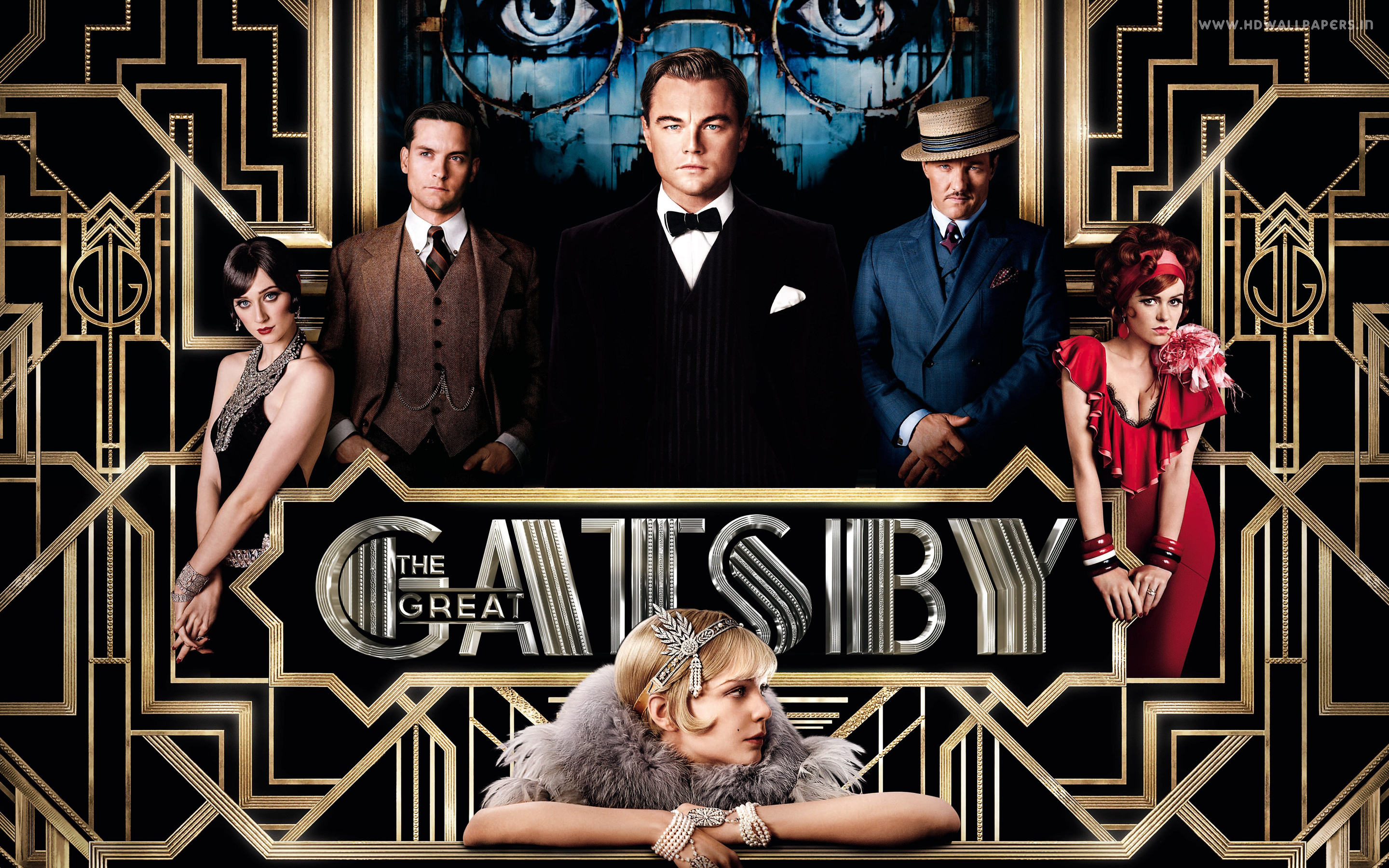
So, Justin has a copy of the book, and we will be seeing the movie. I’ve read that it’s not a perfect match – and when is a movie ever a perfect match to the book? The right strategy, I think, is to know and accept that going in. Hopefully we can do this, and enjoy Leonardo DiCaprio and all the glitz and glamour.

gatsby

It does look very pretty.

As an added bonus, Shelf Awareness published a fun piece the other day, in honor of BookExpo America: Gatsby’s New York. Great fun there.

So stay tuned for a movie review to come! Ideally I would have found time to reread the book myself. But I’ll just have to go on the strength of multiple rereadings of years ago – and Justin’s recent experience.

Anybody else excited about this one?

a less bookish post

Just a little newsy post for you today, friends, so you’d know what’s going on behind the scenes at pagesofjulia…


The last few weeks have been eventful, with birthdays (my grandfather celebrated his 92nd; also my father and my best friend), anniversaries (3 years at my current job; 5 years married to my handsome Husband!), travel (Husband for work, me to visit my grandparents), and the end of a life:

550316_10200967878788085_1161368923_n
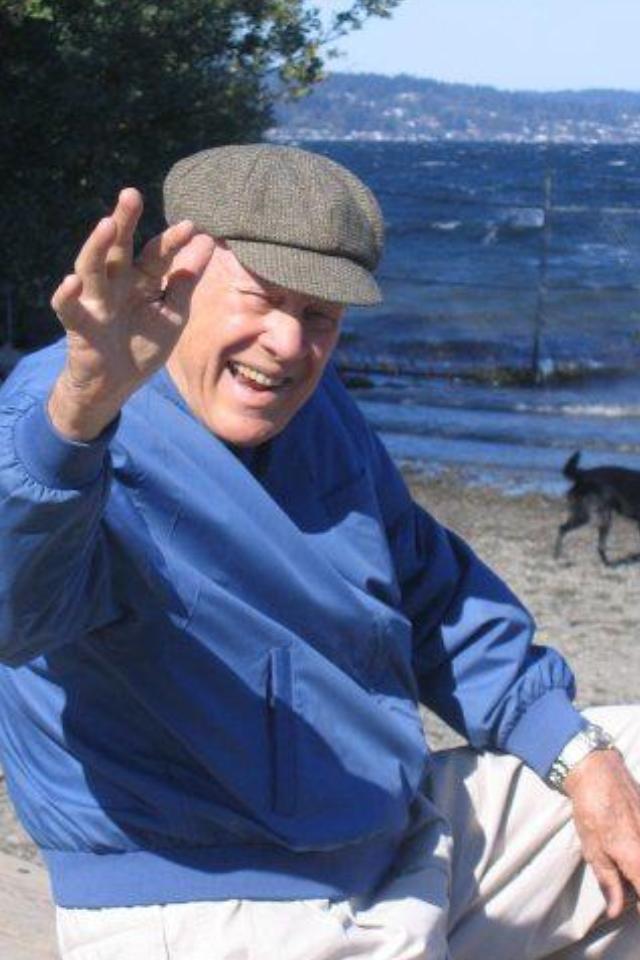
Rexford Pryor Kastner, “Pop,” April 13, 1921 – April 20, 2013. He was a World War II vet, husband, father of 4, and grandfather of 7. I feel very lucky that I got to spend time with him in his final days.

While it is sad to lose someone we all love, and we’ll miss him, it was about as peaceful an end as a person could hope for; and it helped my personal experience more than I can say, that I got to see him and say goodbye. He was fairly lucid, in good spirits, and made sure to impart some final words.

Another big event is my parents’ permanent departure from Houston: they are now installed (though still settling in) in their new hometown of Bellingham, Washington, near the Canadian border and thus nearly as far as one could get, domestically, from here. This is great for them, and I can’t wait to visit, but of course it’s a loss, locally and in the short term. We’ll be going up there as soon as possible.

And now for more travel and birthdays: Husband and I are off to western Colorado for a long weekend of mountain biking, to celebrate both our birthdays (May 7 and 8). I may put together some vacation-placeholder posts for my absence, as I’ve done before.


And there are books, too!

destinyI am just coming to the end of Destiny of the Republic by Candice Millard, on audio. So far I can recommend it: not a dense or challenging work of nonfiction, but fascinating, and the audio production is fine.

endgame

I am about 120 pages into the 450-page Endgame, Volume 1: The Problem of Civilization by Derrick Jensen. This is a large book in more ways than the one, and I will need some time not only to read it, but to process it and figure out how to present it to you. It is not only a book but a worldview.

gran

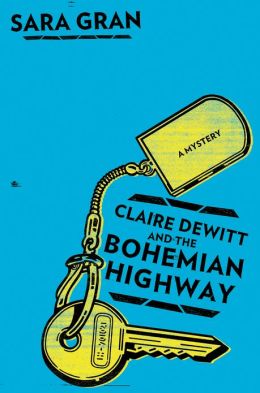
For Shelf Awareness, I have just finished Sara Gran’s Claire DeWitt and the famethiefBohemian Highway, sequel to Claire DeWitt and the City of the Dead which you will recall I loved – and this latest is quite good too. And I’ve just started The Fame Thief by Timothy Hallinan, who is being compared to Raymond Chandler. Those are about as big as shoes get in the murder mystery game, but it’s also quite good so far.

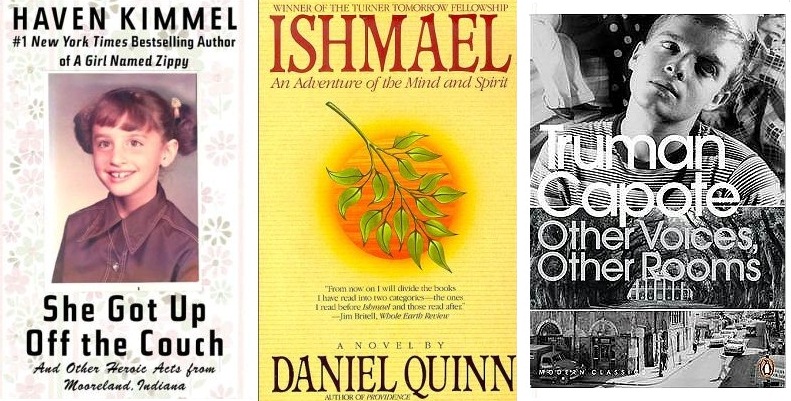
I have 3 books checked out from my local library right now, which is rather many, so I need to get to work! They are Haven Kimmel’s She Got Up Off the Couch; Daniel Quinn’s Ishmael; and Truman Capote’s Other Voices, Other Rooms. And I do not know what is coming to Colorado with me, sigh.

ishmael


So, good reading, and a generally eventful life. And now I’m off to play in the dirt and rocks – enjoy your weekend, kids, and I’ll be back in a while!

Pulitzer Prize-winning multimedia journalism

(Today I send you elsewhere for your reading.)

Remember that very cool article I pointed you all towards several months ago? (Here.)

Liz strikes again, making me aware of the latest round of Pulitzer Prize winners.

You guessed it! Among them is Snow Fall: The Avalanche at Tunnel Creek. And so well deserved. Thanks for the head’s up, Liz.

books from Fil

I thought it was time for a feature post on my most frequent book gifter. He does an excellent job of selecting reading material for me; I’m sure you will recognize the themes from the list below. Nothing he’s given me (that I’ve read) has been less than great, yet. But I still have many of them to read.

I first met Fil at the bike shop where he works, and where I would later work alongside him. That would have been, oh, almost ten years ago. The first book gifts he got me were back when we were coworkers, for my birthday, I’m fairly sure; and those were bike themed. Since then, we have also shared interests in Mexico and in travel in general. I’ve made this list in vague alphabetical order, from memory, and I’m not completely sure that it’s exhaustive, but it’s a great start:

six days

Six Days of Madness by Ted Harper: a 1993 book about six-day racing in the United States in the “Golden Age” of cycling, the 1890’s. I read it, pre-blog, and LOVED it: track racing is obscure enough, but six-day racing is an extra-special, rare reading subject.

bicycle racing

Bicycle Racing in the Modern Era: a VeloNews production covering 25 years of pro cycling in multiple disciplines (road, track, mountain, cyclocross, BMX), and the beauty of it is that the 25 years covered are 1975-2000 – meaning that Lance Armstrong has only a bit part. In a totally Lance-saturated world, this was inexpressibly refreshing; and I learned a lot. I read it pre-blog.

londonderry

Around the World on Two Wheels: Annie Londonderry’s Extraordinary Ride by Peter Zheutlin: the story of Annie Londonderry’s bike ride (ostensibly) around the world incorporates adventure, women’s issues, world travel & cultures, as well as the Golden Age of cycling. There is even a thread running through it regarding women’s clothing and clothing reform – interesting stuff.

spokesongs

Spokesongs: Bicycle Adventures on Three Continents by Willie Weir: a series of anecdotes by a man who cycle-tours several continents. A focus on the developing world makes for some interesting cultural tidbits.

geese

I’ll Gather My Geese by Hallie Crawford Stillwell: the memoir of a woman who headed off into the unknown of far southwest Texas in the 1910’s to work as a schoolteacher and live on a ranch. Sounds good! I just haven’t gotten to it yet.
fromalaska

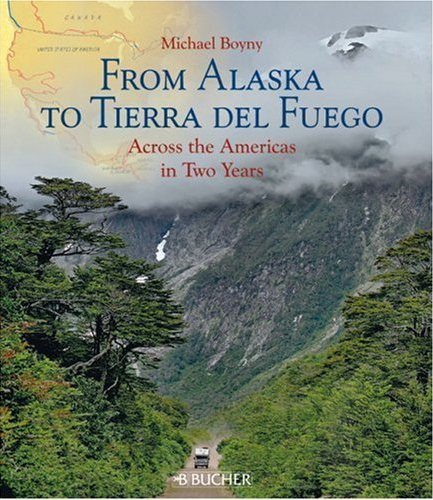
From Alaska to Tierra del Fuego: Across the Americas in Two Years by Michael Boyny: just looking at that gorgeous cover (click to enlarge) makes me anxious to get to this one, a coffee-table book, which I think was technically given to Husband but Husband does not read… It’s the story of a couple that traveled the length of the Americas in an old pick-up truck, and promises “superb pictures.”

mangostreet

The House on Mango Street by Sandra Cisneros: an exceptionally beautiful and powerful collection of short stories that might be poems. Not one to miss! And Fil had never read it; so I was able to recommend it back to him. Note that this edition is extra-special because of the lovely introduction (by Cisneros) that is included.

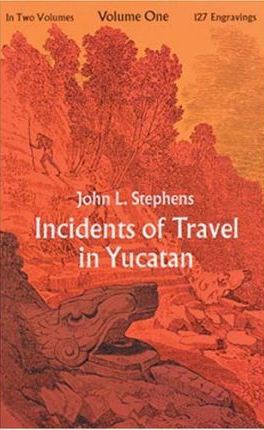
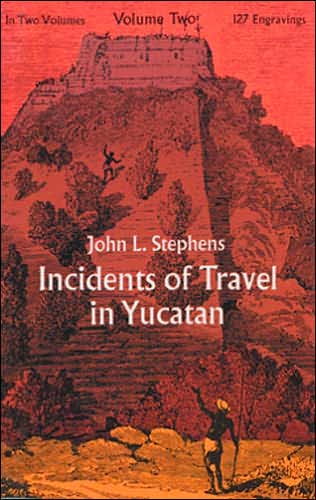
volume1volume2

Incidents of Travel in Yucatan by John Lloyd Stephens, Volumes I & II: Barnes & Noble claims that “Edgar Allan Poe called it ‘perhaps the most interesting travel book ever published.'” That might do it for me, right there! Husband and I have a special fondness for Mexico’s Yucatan Peninsula, and an 1800’s-era travelogue with that kind of blurb definitely belongs on my book shelf.
cruisers

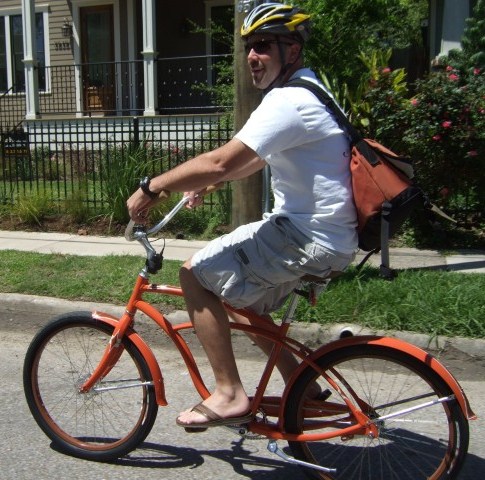
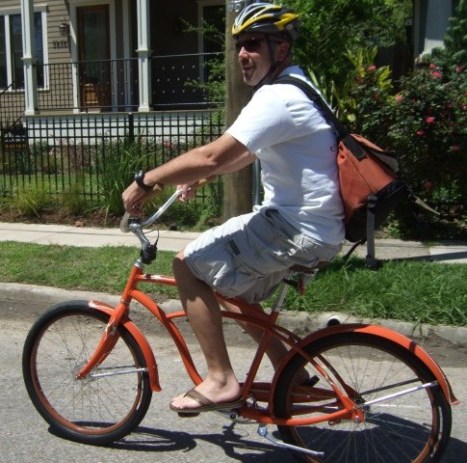
Cruisers by Jonny Fuego and Michael Ames: another given to Husband, and more of a coffee table book than a cover-to-cover, although I confess I haven’t looked at it much yet. Pictures of beautiful bicycles, of course, do belong on our coffee table. For a little context, here’s Husband on our wedding day on the bike I got him for a wedding present:
weddingbike
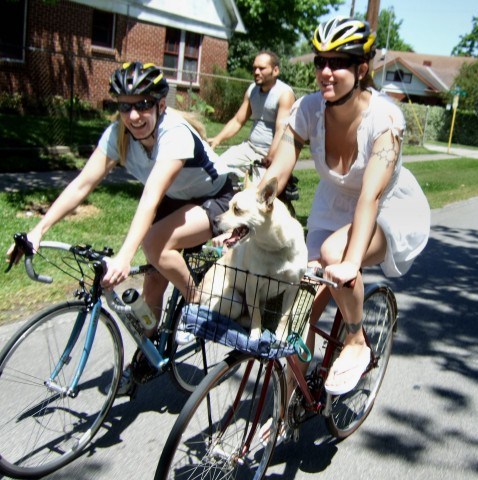
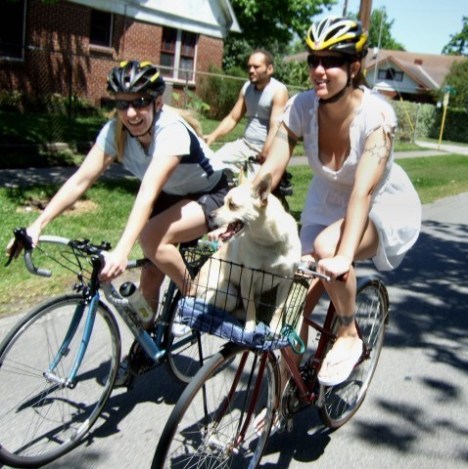
I brought Ritchey to the wedding on my cruiser:
tattoopic
Sorry, I got distracted.

solace

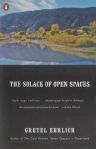
The Solace of Open Spaces by Gretel Ehrlich: reputed to be a fine, lyrical observation of the American West of the 1970’s. Hopefully – and I think this is Fil’s intention – it will fall in line with the tradition of Edward Abbey and Phil Connors; and more recently, Isabella Bird (see below). Bonus: just the other day, A.Word.A.Day featured Ehrlich for their “thought for the day”:

Walking is also an ambulation of mind.

Which is a lovely one.

noblest

The Noblest Invention from Bicycling Magazine: another coffee-table bike book, this one on the history of the bicycle, presumably a celebration of our relationship with two wheels and with lots of good pictures, as well as a well-advertised foreword by Lance Armstrong, who has been inescapable in cycling publications for years – maybe that will change now with his newfound ignominy?

wellville

The Road to Wellville by T.C. Boyle: I know nothing about this one, and I believe the same goes for Fil; I think it was purchased on the strength of Boyle’s reputation, which I know although I have read none of his yet. So, fair enough, Fil. A reading assignment. Okay.
justride

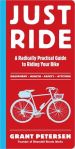
Just Ride: A Radically Practical Guide to Riding Your Bike by Grant Petersen: “radically practical” sounds like a quite fine way to describe Petersen himself, a personality I’m familiar with through the Rivendell Reader (an occasional serial publication from Rivendell Bicycle Works, Petersen’s company – you can see a few issues here). He is the definitive retro-grouch when it comes to bicycles, and my reaction to his philosophies is mixed: much of what he says makes sense (and I have a little retro-grouch, even a little Luddite, running through me), but some of it seems to be clearly grouchiness for its own sake. Fil had already become ambivalent about this book by the time he gifted it to me! And I haven’t looked at it yet; but I will. I have David Byrne’s Bicycle Diaries on my shelf, too (also a gift, from another friend), despite BikeSnob‘s relentless fun-making of him, and I may as well get all sides of this story! I suspect I will fall in line with the majority of Petersen’s directives, at least.

711

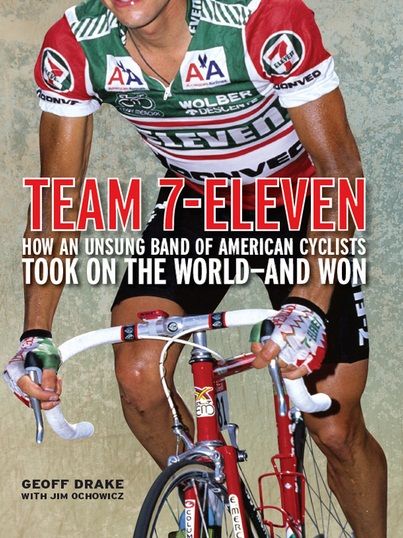
Team 7-Eleven: How an Unsung Band of American Cyclists Took on the World – and Won by Geoff Drake: the story of professional road racing in the pre-Lance era, back when all their gear was recognizable and Americans were new on the scene. I can read that.
adventures

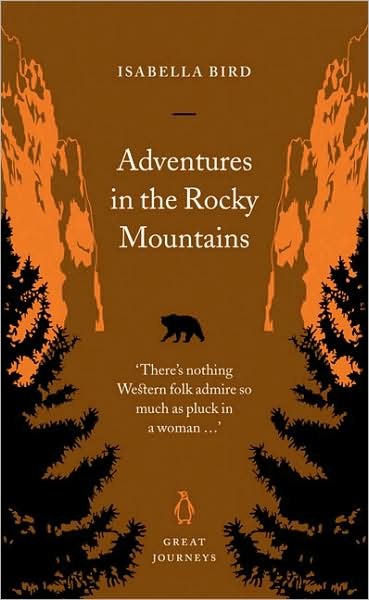
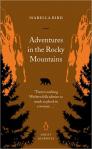
Adventures in the Rocky Mountains by Isabella Bird: just recently read, of course. I have an idea that this might make a fine comparison read next to The Solace of Open Spaces, above, which is similar in being a woman’s perspective on the natural beauty and benefits of the American West, but from precisely 100 years later. Perhaps that’s the next Fil-gifted read I shall look forward to. Hm. I am also most attracted (in making this list) by I’ll Gather My Geese, From Alaska to Tierra del Fuego, and Incidents of Travel in Yucatan (who can resist the Poe endorsement!). In other words, Fil is still doing well around here! Oh, and I feel I should get to the David Byrne book, too, and compare it to Bike Snob and Just Ride.

Which books on this list appeal to you especially? Do you have friends who consistently give you books, or consistently give really good gifts, or (lucky you!) both?

fizzling out on a Friday

I don’t have a book to tell you about today, friends. I know! I’m sorry! But rather than go silent, I thought I’d give you a little photo tour of what I’ve been up to lately that explains why I haven’t been reading at the usual pace… well, it’s more complicated than that, but look at these pretty pictures first and then I’ll tell you about the books at the end.

When not reading, I have been:
405665_10200529963800484_1132624728_n

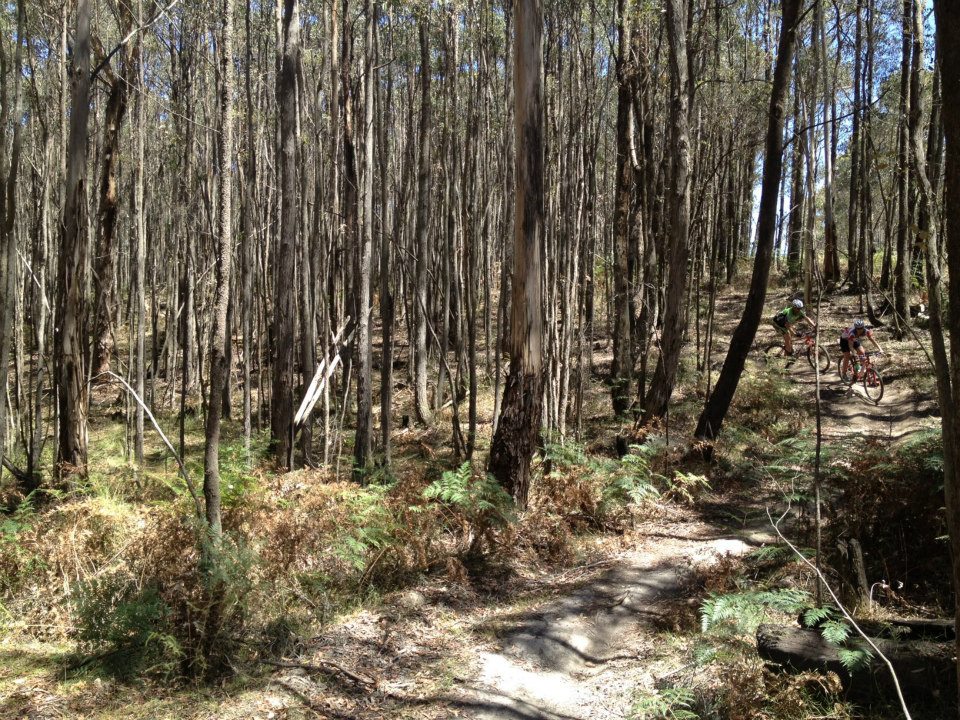
Mountain biking in Australia with Husband (pictured) and our friends/local hosts Kristi & Brian

541575_10200447114368522_1825522576_n

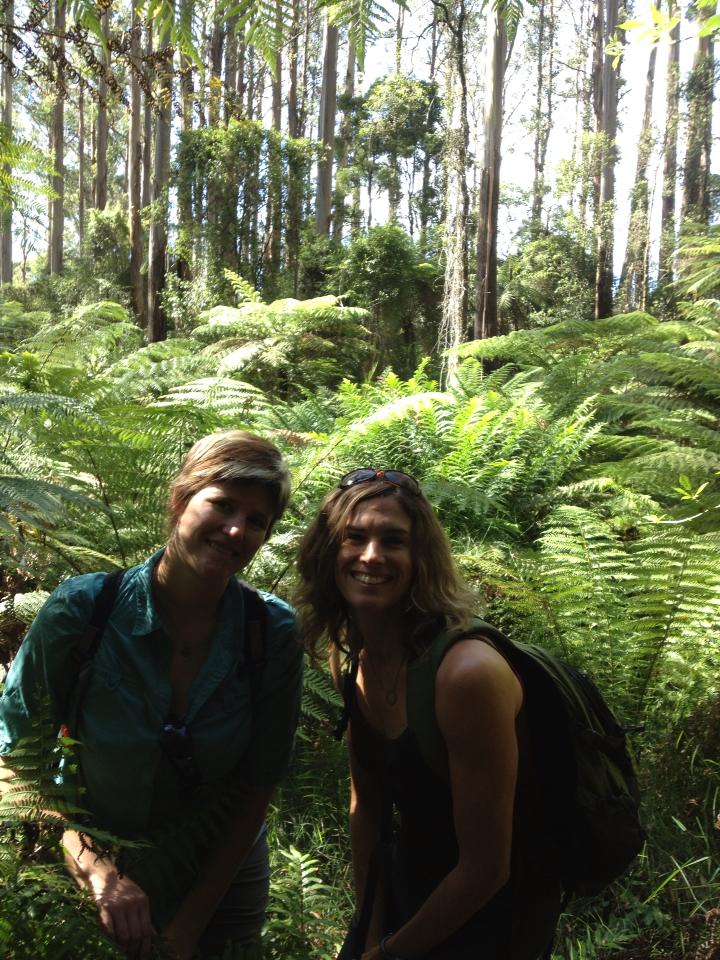
Hiking in Australia with Kristi (pictured)

544591_10200506392371213_1335333382_n

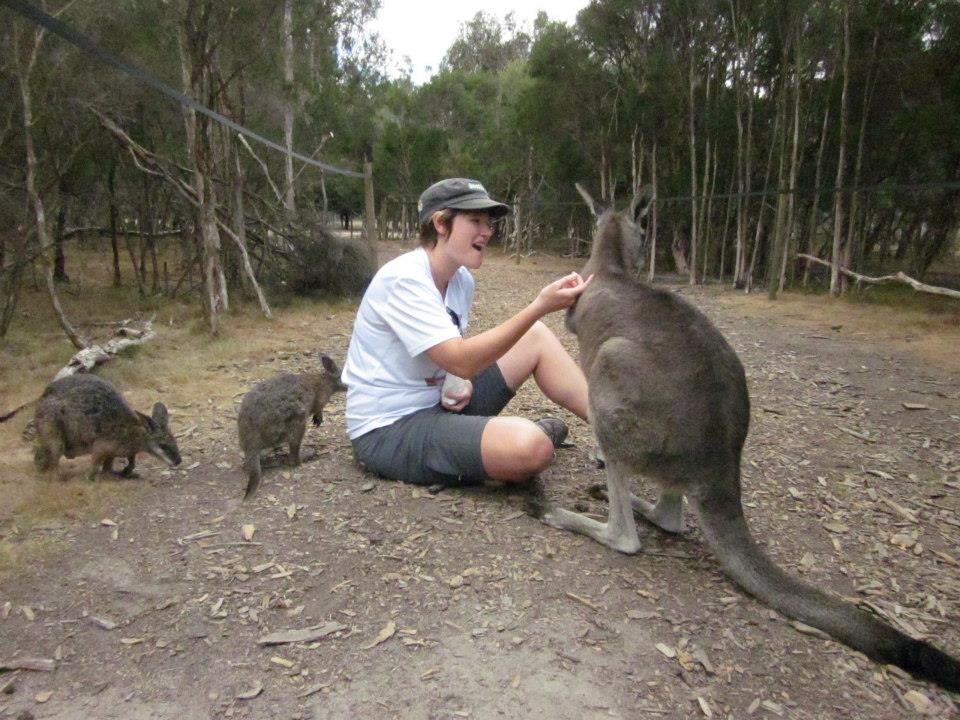
Petting a kangaroo!

226436_10200674037482236_1479672185_n

Hiking with my Pops and the dogs not far from Houston

563375_10200674038042250_2061772009_n

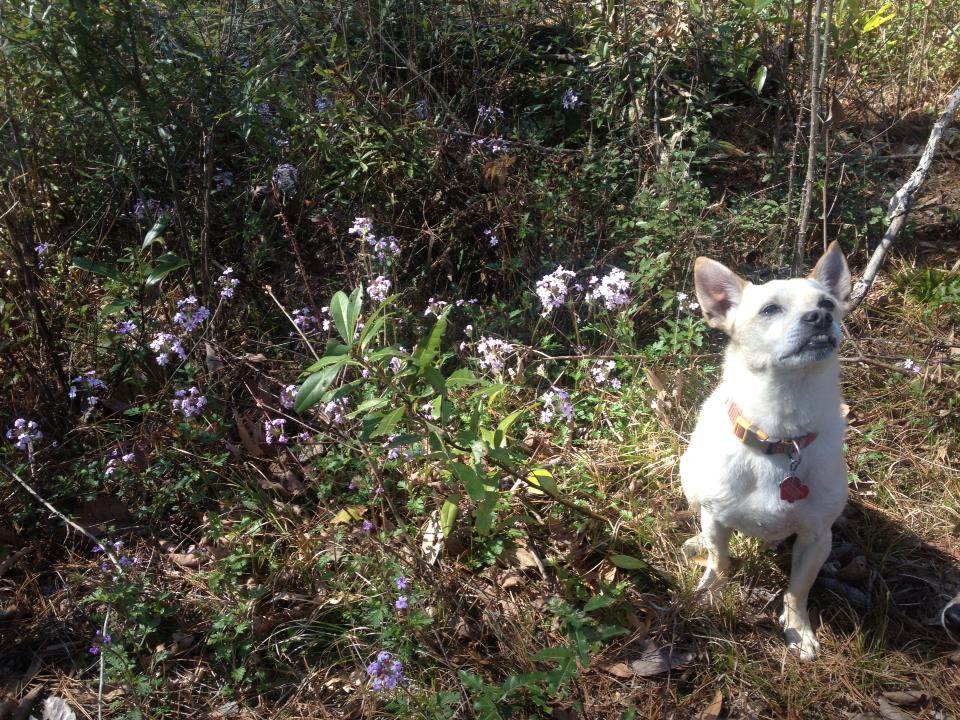
Awww (that’s Ritchey in the flowers)

382370_10200734221546800_1911023195_n

Visiting sister-in-law Julie (pictured) and her husband David, in North Carolina, with Husband

48105_10200588244217458_546386386_n

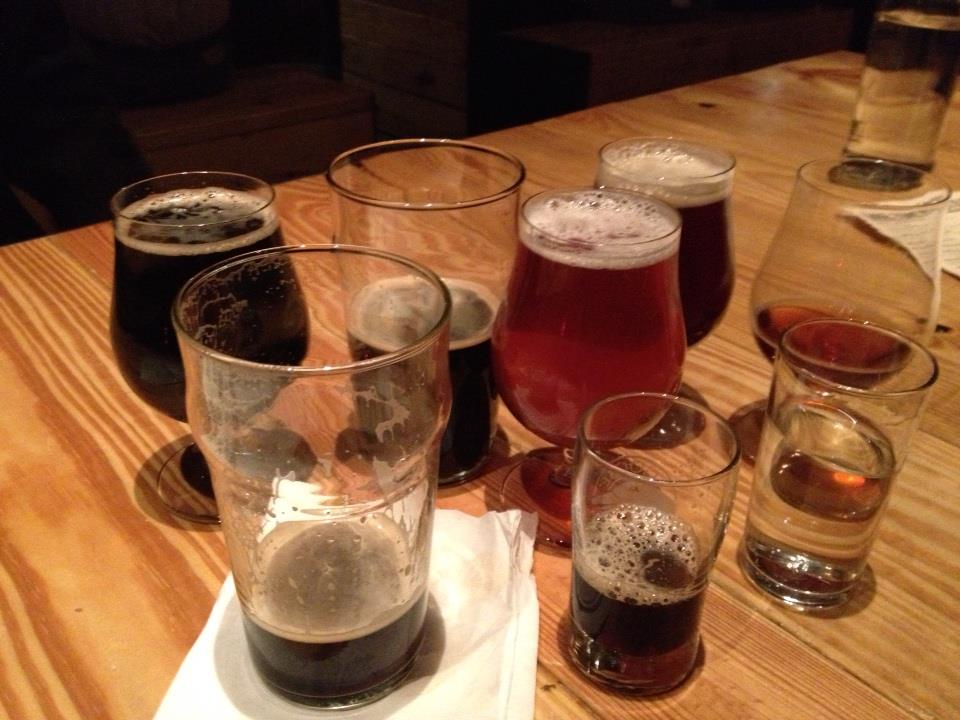
Aaand, I confess, always a little of this. (Beers with my parents at my local favorite, Mongoose vs. Cobra.)

And what about the reading? Well, I do some of that too:
29562_10200094394430744_695394293_n

(Camping out, and reading while not mountain biking, at Double Lake)

But seriously, I have been reading as furiously as ever; we’re just caught in a strange lull right now, for a few reasons. For one, I’ve been doing a lot of reading for the book reviews I write for Shelf Awareness, which means that I read a book, write a review, submit it for editing & publication, and then am able to post said review after it publishes – which is easily 6-8 weeks after I read the book. So I’ve got a backlog of great reading to tell you about, but none of it is ready to post yet. In between, I’ve been listening to The Hunchback of Notre Dame on audiobook, which is great but long and means I won’t have an audiobook to tell you about for another week and a half at least.

All of which are just excuses, and I’m sorry that I don’t have a great book to tell you about right now! But speaking of excuses – I have now justified showing you pictures of my fun times & the beautiful people in my life, so we’re all winners on that count. 🙂

Happy Friday, and thanks for your patience, friends. Maybe I’ll read another de Maupassant short story over the weekend and have that to write up for you on Monday! In the meantime, more bikes in this lovely spring weather, please!