






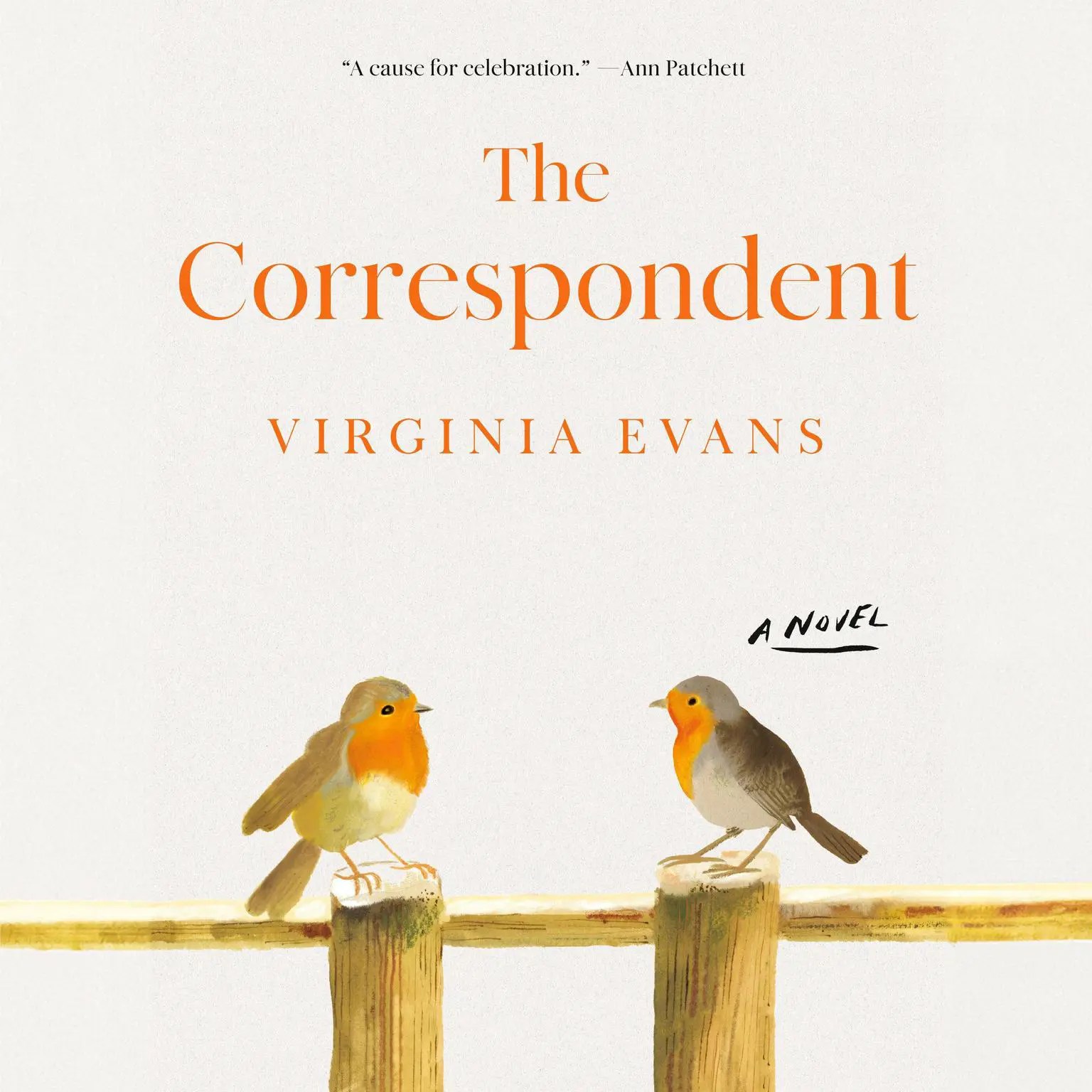
 Best book of the year. Thanks, Liz
An epistolary novel, via audiobook with a multitude of narrators: Maggi-Meg Reed reads the correspondent herself, Sybil Stone Van Antwerp, a formidable woman turning 73 when we first meet her. The rest of the cast read the parts of others, those who correspond in turn with Sybil, and several of these read more than one role: Jane Oppenheimer, Carly Robins, Jeff Ebner, David Pittu, Chris Andrew Ciulla, Mark Bramhall, Petrea Burchard, Robert Petkoff, Kimberly Farr, Cerris Morgan-Moyer, Peter Ganim, Jade Wheeler… and “various,” who I assume are Steve West and Jen Siebert?, two names verbally credited on this production but who I can find nowhere in print (so I’m inventing those spellings, sorry, best effort). While usually a single narrator handles a novel well, changing voices for different characters, I do appreciate the choice here. For one thing, a letter rarely opens with “Dear Sybil, this is John” or whatnot, and as I learned the voices (and accents!), it helped.
So. An epistolary novel, told entirely in letters (and less frequently, emails or notes) to and from our eponymous main character. Sybil is a hell of a character. I would call her, especially early on, indomitable, indefatigable, domineering, pushy, opinionated, bossy – some of these being the things we call a strong woman when we don’t like her very much. This book has pulled off that rarity: a generally unlikeable protagonist whom we still care deeply about. I did find myself applauding Sybil from time to time, especially later in the book, but she’s not easy to like. She is a flawed but eventually deeply sympathetic character, who has lived more than seven decades and has collected her share of disappointments and regrets. Remarkably, she is still capable in her 70s of learning new ways to be, trying new things, and – rarest of all – admitting she was wrong. By the end I’m quite proud of her (although I’m still not sure she’d be easy to like). We follow her selected correspondence for most of a decade, until it ends. And in these years, as Sybil puts it, her life is very full. Among other things, she entertains two suitors; finds some of her biological family for the first time (after adoption as an infant); embarks upon international travel for effectively* the first time; experiences a life-altering medical change; and navigates several important apologies or discussions of old wrongs. These are deeply impressive.
[*with an important exception which she argues should not count.]
I don’t know that I will attempt much more plot summary. Evans offers a full cast of fascinating characters as correspondents, including Sybil’s family (one adoptive brother with whom she is close; one adult child with whom she is not) and loved ones (her best friend with whom she has exchanged letters since they were children), strangers (authors and other public figures), and friends new and old. I felt the most tenderness for Sybil when she was addressing children, which she does with remarkable gentleness and wisdom for someone who can also be quite harsh, and when she was facing her own old mistakes. There is a customer service representative she emails with, who becomes quite something else (despite one of Sybil’s more face-palm faux pas in her opening missive). The richness and variety in these correspondents is delicious. I especially appreciate that while many of her regular letter-writers are of her generation, there is some diversity in age as well as in most every other sort of identity. Sybil tells us that we’d be surprised: much of the time she writes to someone, they write her back.
The argument is made that it’s easier to tell hard truths in writing than out loud, and we do get some heavy confessions and storytelling, from Sybil and from others. It is often a sad book, and Sybil is troubled and scarred, but she is as strong and awesome as she is flawed, in the end. I did really appreciate such a nuanced portrait of a protagonist who is both older and not automatically likeable; I think the novelist’s feat here is complex. I can’t stop thinking or talking about it, and I feel sure this will be the best book I read all year.
Filed under: book reviews | Tagged: audio, epistolary, family, Liz, misc fiction |


Leave a Reply