Following Monday’s review of Wolf Winter, here’s Cecilia Ekbäck: The Impact of Place.
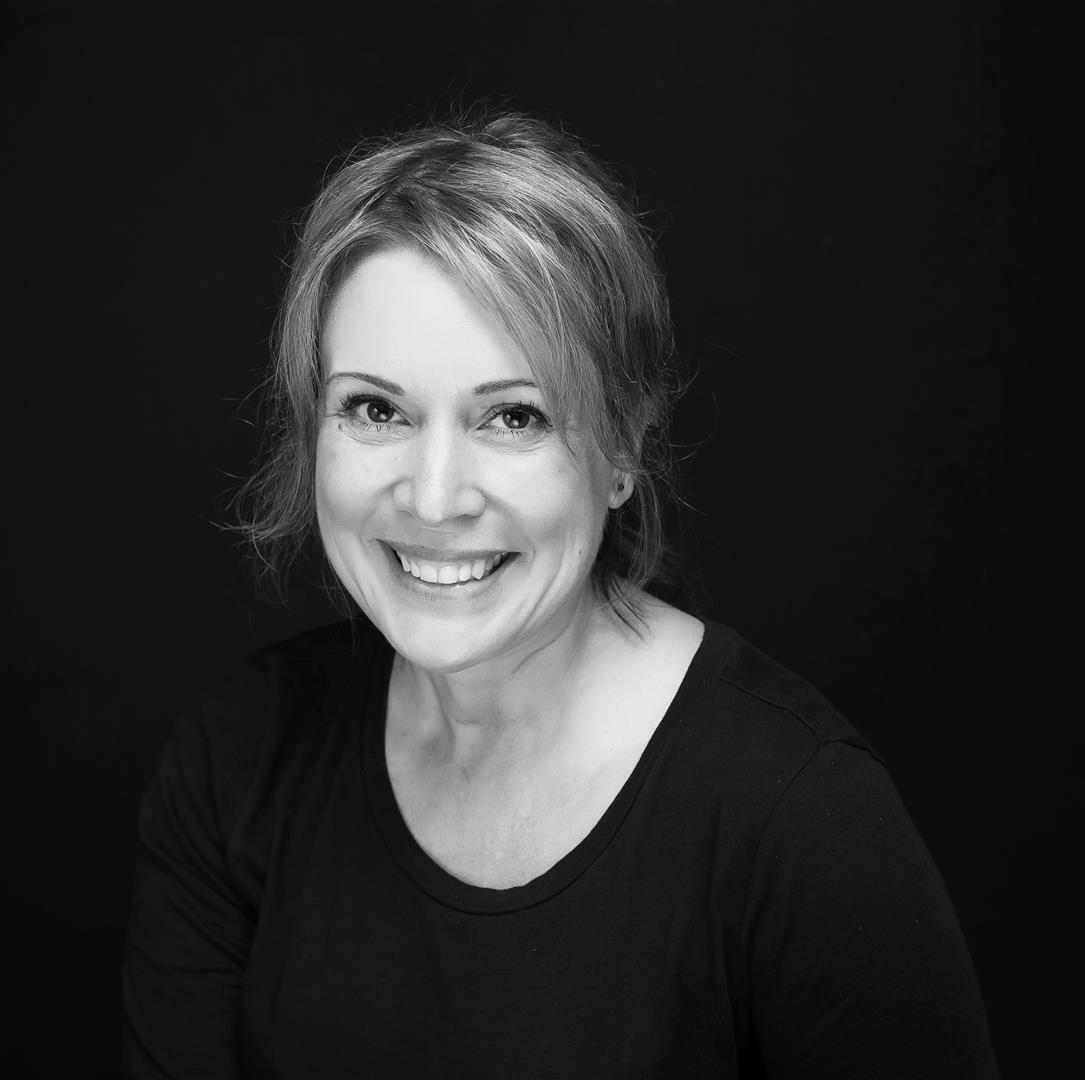
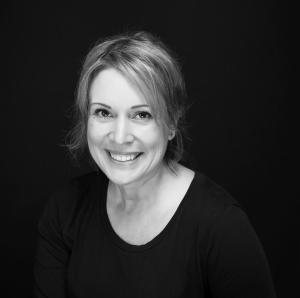
Cecilia Ekbäck was born in Sweden, in a small northern town. Her parents come from Lapland. Ekbäck now lives in Calgary with her husband and twin daughters, “returning home” to the landscape and the characters of her childhood in her writing. Wolf Winter is her first novel.
 What background–literary or personal–led you to this subject matter?
A wolf winter is a very cold, very bitter winter. But in Sweden, it is also the period in life when you’re faced with your mortality, when you realize that you’re alone–an illness, or the loss of a loved one or something like that, when you come face to face with death, and feel very lonely. Where you have to face sides of yourself that you didn’t know that you had, that you like less, or things that you haven’t dealt with. I wrote this book after my own wolf winter, which was when my dad passed, from cancer. He was my best friend. That was the time when I had to do a lot of soul-searching, when I had to do a lot of thinking through what I wanted to do with the rest of my life and what I was going to do with the enormous space that he left after himself. The book sort of came out of that. I wanted to take a number of characters and have them walk through their wolf winter, if you like, both literally, with the cold and the winter and the snow and the hunger and so on, but also emotionally.
The book switches perspectives slightly between several characters. What led you to that strategy?
Society in those days was very compartmentalized, so I knew that I wanted the main character to be a woman. When we read history, there’s so little about women. I wanted to write women back into that period. And I felt you had to have a few different views to get access, for example, to the church. Maija was always there; and then I felt that her character did not let her easily get involved in the more emotional or spiritual side of Blackåsen, so I let her daughter do that. And then I felt that we needed the priest to get access to the church and to the crown.
Was there a character you felt closest to?
Well… I like them all. But I like Maija and the priest very, very much. Frederika felt… a little bit close to home. I grew up in a very religious environment, and I just felt she came a little bit close to home, so I liked her less! But I was very, very fond of the priest and of Maija.
Are there heroes and villains in this story?
I think there are more strengths and weaknesses. You could say that there are certainly villains. But I guess what I wanted them to be was thoroughly human. So nobody, I don’t think, is straight out one way or straight out another. I wanted to work more with strengths and weaknesses of each character.
What kind of research did you do to evoke 1700s’ Sweden?
I read lots. I’m not a historian, and I get uncomfortable when people say this is a historical novel, because I know that I don’t have my education in that field–I have a terrible memory, and very poor attention to detail. It’s a story set in the past, is how I think about it.
I read everything I could find. In northern Sweden, very often when a town celebrates 200 years or 300 years, they publish a book. Those books are only locally published, and they give the history of the place and lots of anecdotes and so on. I worked a lot with books like that. Then, one of the most important things I did was interviews with my grandmother, her sister and their friends. Even though the story happened way earlier, Lapland didn’t actually change that much until after the Second World War. My grandmother used to say they lived like people had lived in all times. And then, one day to another, they went from shoes that they had made themselves to buying high-heeled shoes in the shop. It was a shock to everyone. It was like when falls a meter of snow and you wake up and you go out and you think, this is not my world! I recognize certain things, but not many others…. So, I spoke a lot to them about the practical details, how they cooked, how they shepherded goats, how the cold was, how the houses were, and I imagined that a lot of it wouldn’t have been that different. Because a lot of this sort of knowledge was passed down through generations–the way you did laundry, the way you worked with nature and so on. So that was really, really important for the practical life of the settlers. And I spoke to a lot of priests, but that was more to understand the faith of the state church as was in that time.
I wrote this story four times. The first time it was set in 1985, and it was really much more of a family saga. I was writing it to try and understand where we came from and why we were a certain way and why we were religious, why we didn’t speak of certain things, why we were frightened of certain things, and so on. And the second time it was set in, if I remember correctly, 1865. And then I wrote it set in the early 1800s, and then, finally, in 1717. And every time I wrote it I thought yes, but this is not where it starts, this is not the beginning. And the further I went back, the more I felt that 1717 was a great year, because the early 1700s was when the settlers began to arrive to Lapland, for various reasons. That particular year was a year when Sweden was at its peak. Sweden was a great power, but it was crumbling. The king had warred abroad for his whole life, and he had just returned to Sweden, and we were warring on several fronts and there was no more money and so many people had died in the years of war…. I thought that added something, that crumbling sense, where things change for the characters regardless of which social class they belonged to. I thought that was a good setting for them and for this story. It’s where the story felt comfortable. We’re so influenced by place, in the largest sense of the word; not just nature and climate, but political history and socially what’s going on and so on. I wanted a place that would have an impact on them, whether they were close to it or further away.
What did you feel upon completing your first novel for publication? What are you working on next?
It’s a bizarre thing, publishing your book. You’ve lived with it for so long and it’s so close to you. The delight is that others read it and talk about it, and they’ve seen things in it or found things in it that they feel are valuable, and then I feel elated. But the publication of it actually frightened me more than it made me happy. When I found out that I had actually sold the book, I went to my best friend and I cried. I said, I don’t want to be published! And he said, you’re insane. But that’s what I did. And then I called my husband and said I thought I had a brain tumor. Those are the two things I did.
Now I’m working on the second book, which is a very, very loose sequel. It’s set 130 years later, at Blackåsen, and so the mountain is the same and the supposed curse is the same, but the characters and the dilemma they face are completely different. I have found it easier in a way and harder in others, to write the second one. Easier in that I have more of a writing process. And also easier because I wrote it in so many different centuries that a lot of the research I’d already done. But harder in the sense that it’s much more real: it’s actually going to be a book! It’s not just a story for me any longer. And I find that makes it harder.
This interview originally ran on November 25, 2014 as a Shelf Awareness special issue. To subscribe, click here, and you’ll receive two issues per week of book reviews and other bookish fun!
Filed under: interviews | Tagged: authors, Maximum Shelf, Shelf Awareness | Leave a comment »