Boca Daze by Steven M. Forman

A witty sexagenarian PI who’s unafraid to take on a wacky variety of villains all at once.

Steven M. Forman’s third novel (following Boca Knights and Boca Mournings) checks back in with retired Boston cop Eddie Perlmutter, better known as the Boca Knight. Now firmly established as a private investigator in South Florida, Eddie is hit by several cases simultaneously. First, a homeless man claiming to be the Depression-era sad clown Weary Willie is attacked, and a local reporter asks Eddie to look into the circumstances. Then a new friend, World War II vet Herb Brown, suggests an investigation into a too-good-to-be-true investment scheme. For good measure, an old mobster acquaintance (and former foe from his days with the Boston PD) asks Eddie to take on the Florida “pill mills.” Eventually the Boca Knight finds himself staking out a Catholic church, traveling to Tallahassee to lobby the state legislature and palling around with a homeless woman with a tragic past. All this, while experimenting with Viagra to try to keep up with his much-younger girlfriend.

Eddie is wry and self-deprecating; the overall tone is humorous, his battles with “Mr. Johnson” especially so. Don’t sell Eddie short, though: despite the laughs, he can still take on gangsters a fraction of his age. Forman briefly but seriously addresses the Florida health crisis caused by a barely regulated prescription drug market, and then Boca Daze wraps up all its tragedies neatly and hopefully, with a wedding and a boxing match. Fans of lighthearted mysteries, South Florida or elderly heroes will be more than pleased with the Boca Knight’s latest quests.


This review originally ran as a *starred review* in the February 7, 2012 issue of Shelf Awareness for Readers. To subscribe, click here, and you’ll receive two issues per week of book reviews and other bookish fun!

Inferno: The World at War, 1939-1945 by Max Hastings


Max Hastings is a highly regarded war historian (primarily WWII) and author of a great many books examining his subject from various angles (most recently Winston’s War). His latest, Inferno, covers WWII through the lens of “regular people” as primary sources. In his introduction, he explains that his book does not seek to be a comprehensive study of WWII in all its events, bringing a reader from zero knowledge up to expert level; rather, it assumes some familiarity with the war and concentrates on people: “This is a book chiefly about human experience.”

Hastings did what he set out to do: he exposed the human experience of WWII, in all its horror and almost incomprehensible suffering and death, in its follies and incompetencies and cruelties and in its rare moments of black humor. The brief quotations from regular folks from dozens of countries are moving, illustrative, and diverse, both in viewpoint and in origin. They offer a valuable telling of the war, and serve as a great history lesson/review too.

This is a high-quality book; it has a lot to offer. At almost 700 pages, the reader’s motivation will have to be fairly high to invest the time and effort required to reap the full benefits. But for the interested reader, a treasure trove of honest contemporary accounts of this remarkable tragedy of history awaits.


This review was written for Shelf Awareness for Readers. To subscribe, click here, and you’ll receive two issues per week of book reviews and other bookish fun!

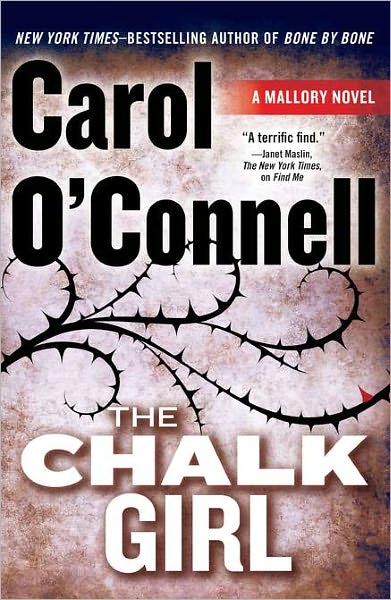
The Chalk Girl by Carol O’Connell

Carol O’Connell’s Mallory returns to take on a case with nonstop twisting intrigues.


The little girl in Central Park has red hair, starry blue eyes and a dazzling smile; she reminds people of an elf or a fairy, and tells stories of blood raining out of the sky and an uncle who turned into a tree, and demands hugs from everyone she meets. The fairy tale halts abruptly, however, with the discovery of a body in a tree, hogtied and seemingly dead. And it’s not the only one. Coco, as she calls herself, presents a perplexing mystery. Where did she come from? Who does she belong to? Where did she get the strange explanations for the blood on her shirt and, most important, what kind of a witness will she make, if the NYPD ever manages to solve the homicides?

Detective Mallory, the protagonist of nine previous novels, is just back from three months of unauthorized down time and is none too stable herself; she and Coco may have more in common than meets the eye. But the case quickly grows bigger than a wandering child and a series of well-planned murders. Conspiracies and deceits connect Coco with the upper echelons of political power in the city, from high society to the DA’s office, even the police department–and Mallory’s investigation will reveal a chilly tale of torment stretching back 15 years. Unlike the spritely Coco, though, Mallory is a terrifying force to be reckoned with. Her methods are cold, merciless and conniving; her colleagues doubt she even has a heart. If nothing else, Coco’s tormenters can expect justice at Mallory’s hands.


This review originally ran in the January 20, 2012 issue of Shelf Awareness for Readers. To subscribe, click here, and you’ll receive two issues per week of book reviews and other bookish fun!

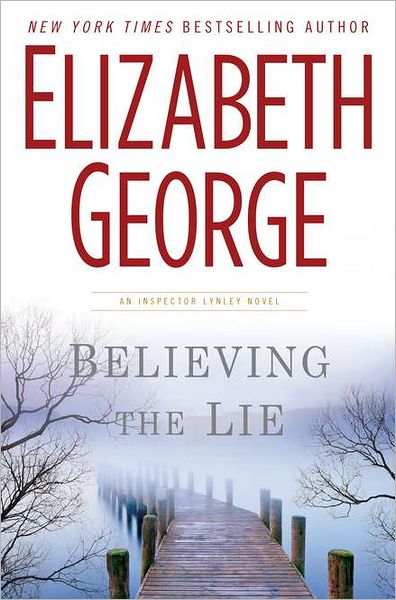
Believing the Lie by Elizabeth George

The latest gruesome, yet touching, mystery starring Inspector Thomas Lynley and his friends.


Elizabeth George’s long-awaited 18th installment in the Inspector Thomas Lynley mystery series sees our Tommy back at New Scotland Yard, having returned from wandering the English countryside mourning his murdered wife. His new illicit relationship with a superior officer is interrupted by a mysterious secret assignment–to look into a drowning that has already been ruled accidental. A powerful patriarch (like Lynley, a peer of the realm) requests further investigation into his own family–most obviously, the recovering drug addict prodigal son. But as Lynley, with the assistance of the reliable Deborah and Simon St. James, delves deeper into this family’s history and entanglements, he uncovers myriad lies, betrayals, deceptive identities and plenty of cause for scandal.

Fans of the series will rejoice in rejoining Lynley, the St. Jameses and Sergeant Barbara Havers, who unwillingly undergoes a makeover in this book. George also delivers the fully wrought, sympathetic, very human minor characters her readers have come to expect. Longtime fans may find Deborah’s increasingly obsessive distress over her failure to conceive beginning to wear thin; the subject becomes a full-fledged plot thread here. But George’s strengths–character development, plot twists and shocking tragedy–continue to shine.

While Believing the Lie can stand alone, series readers will find a deeper appreciation of the complex relationships at play. Look out for a serious cliffhanger at the end, which will leave George’s fans panting for the next Lynley episode.


This review originally ran in the January 13, 2012 issue of Shelf Awareness for Readers. To subscribe, click here, and you’ll receive two issues per week of book reviews and other bookish fun!

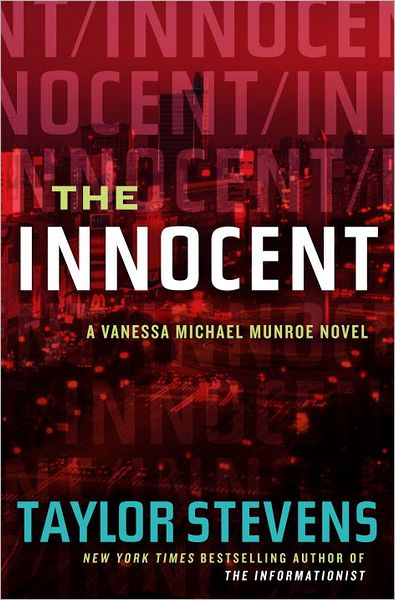
The Innocent by Taylor Stevens

A whirlwind thriller about a seriously ass-kicking female renegade’s battle against a hair-raising cult.


In this sequel to The Informationist, Vanessa Michael Munroe is back. Taylor Stevens‘s heroine has been compared to Jack Reacher, Jason Bourne and Lisbeth Sanders, and evokes each–but also possesses certain qualities all her own.

The traumatized Munroe, facing her horrific past every time she tries to sleep, vacillates between insomnia and drug-induced oblivion. Her private battles are interrupted, though, when her old friend Logan shows up begging for her help. Eight years ago, when she was five, Hannah was kidnapped by members of a religious cult called The Chosen. As a former member, Logan know first-hand how desperate her situation must be–and though his gruesome childhood is not quite like Munroe’s, he has an understanding of her damaged soul. Now, eight years after her capture, Logan finally knows Hannah’s location, and he needs the help of Munroe to free her. But to get Hannah out of The Chosen, Munroe will have to go in.

The Innocent is tight and fast-paced, an adrenaline rush of a novel with vibrant settings ranging from Morocco to Buenos Aires and characters who jump off the page. The descriptions of The Chosen’s abuses of its own members are heartwrenching; Stevens’s own experience in such a world makes this semiautobiographical novel’s emotional impact even stronger. But the story’s greatest strength may be Munroe herself: gender-bending, starkly violent, as lethal with her bare hands as she is with a knife, she steals the reader’s heart, tortured psyche and all.


This review originally ran in the January 10, 2012 issue of Shelf Awareness for Readers. To subscribe, click here, and you’ll receive two issues per week of book reviews and other bookish fun!

The Castrato and His Wife by Helen Berry

An intriguing story of a castrato’s unprecedented marriage and its implications for society at large.


Giusto Ferdinando Tenducci was an 18th-century Italian opera singer and a celebrity in England. Part of his mystique and mystery, and the reason both for his reportedly divine voice and his unusual social standing, was his status as a castrato. Tenducci had been castrated as a young boy in the hopes that he would make his fortune out of his singing. As historian Helen Berry explains, a surprising number of Italian youths underwent this dangerous operation in Tenducci’s day, although (like today’s hopeful rock stars) few actually succeeded. Tenducci not only beat the odds by making a (sometimes tenuous) fortune in opera, but also accomplished a surprising feat: he married a young English girl of good family.

The Castrato and His Wife is the story of that brief marriage and its annulment in an extremely curious extended legal case. It is also the story of Italian opera in the 1700s, both as an institution and as a business; of castration and its relationship with the Catholic Church; and of the institution of marriage and society’s changing concepts thereof. Berry’s prose can be a touch long-winded and academic at times, but Tenducci’s heart-wrenching story is unusual and evocative. Berry addresses a topic we still find mysterious, and Tenducci’s distinctive situation is surprisingly relevant to the ongoing question of what constitutes legal marriage.


This review originally ran in the January 6, 2012 issue of Shelf Awareness for Readers. To subscribe, click here, and you’ll receive two issues per week of book reviews and other bookish fun!

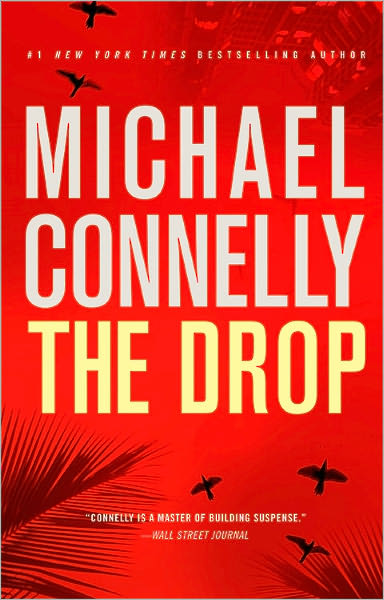
The Drop by Michael Connelly

The latest suspenseful, dark, yet hopeful mystery starring the indomitable Harry Bosch.


In The Drop, Michael Connelly’s long-running protagonist, Det. Harry Bosch, faces end-of-career issues in the Los Angeles police department’s Open/Unsolved Unit. In one day, he gets two hits: a DNA match on a 21-year-old murder-rape case and an unexpected fresh body. The son of Councilman Irvin Irving–Bosch’s nemesis from previous novels in the 17-book series–has jumped or been dropped from his hotel balcony, and Irving inexplicably requests Bosch as investigator. It looks to be a case of “high jingo”–political complications threatening the quest for truth and justice to which Bosch is so committed.

As the Irving case gains momentum, the politics threaten to engulf an old friend and colleague, and Bosch may have no one left that he can trust. Meanwhile, logic contradicts fact as the blood found on the victim of the unsolved murder-rape belongs to a man who was eight years old at the time of the crime. Even Bosch’s new partner seems to be working against him. Worst of all, he begins to doubt his own abilities: is Bosch too old for the job?

Fans of Connelly’s series will exult in another round of Bosch-versus-the-world (and the LAPD); he exhibits all his old charms and skills, as well as tenderness towards his teenage daughter (who develops in her own right as a character). New readers will follow the action perfectly; The Drop can confidently stand alone. The evocation of the Los Angeles setting is lovely as usual, and the action’s crescendo hits all the right notes. Don’t take your eyes off Connelly yet–Bosch is ready to fight another round.


This review originally ran in the December 13, 2011 issue of Shelf Awareness for Readers. To subscribe, click here, and you’ll receive two issues per week of book reviews and other bookish fun!


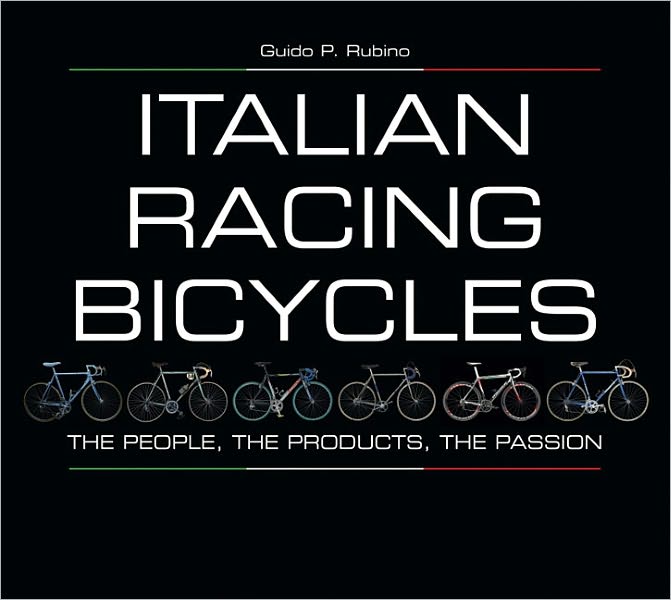
Italian Racing Bicycles by Guido Rubino

A beautiful book of pictures and stories about everything related to the fine art of Italian race bikes.

Passionate fans of Italian bicycles, professional bicycle racing, the history of the sport and/or fine craftsmanship must add Italian Racing Bicycles to their collections. It’s not just about bicycles, as the title suggests, but about the companies that made (and still make) them and about the Italian cyclists who ride competitively. Top-of-the-line Italian bikes are works of art as well as masterpieces of function, and Guido Rubino considers 40 of the finest manufacturers: their histories, likely futures, personalities and history-making products. The indispensable Colnago, Campagnolo and Bianchi brands are covered, as are the men who originally bore those names. Racing greats such as Coppi, Pantani, Sarroni and Bartali, whose performances helped establish the legacies of these companies, receive well-deserved attention here as well (along with select non-Italians like Eddy Merckx). Plenty of beautiful pictures complete this lovely coffee-table book.


This review originally ran in the December 6, 2011 issue of Shelf Awareness for Readers. To subscribe, click here, and you’ll receive two issues per week of book reviews and other bookish fun!

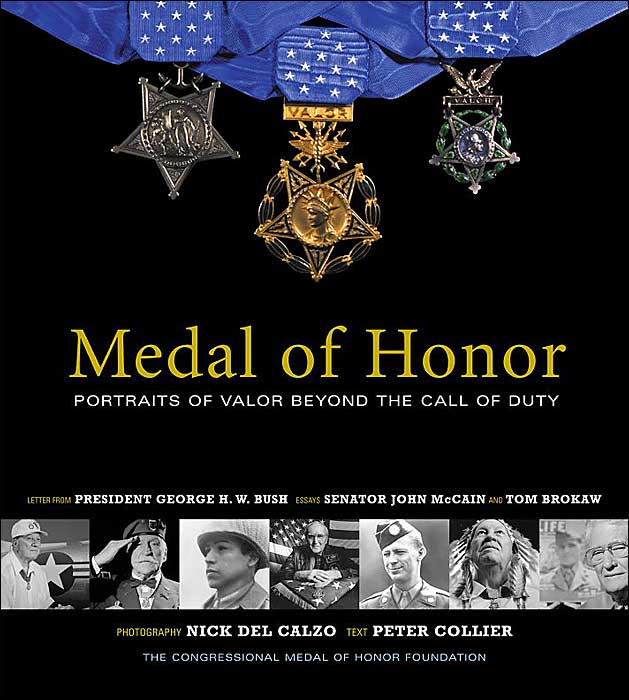
Medal of Honor: Portraits of Valor Beyond the Call of Duty

A respectful and compelling salute to Medal of Honor winners through brief profiles and striking portraits.

Medal of Honor begins with a thoughtful, detailed yet succinct history of the Congressional Medal of Honor, providing an excellent introduction to the subject; later chapters include letters from every living U.S. president and short essays on wars from World War II through Afghanistan. But Peter Collier’s real achievement lies in the 144 profiles of Medal of Honor recipients, representing every branch of the military, accompanied by Nick Del Calzo’s stunningly beautiful photographic portraits. Collier’s profiles tell of the circumstances leading to each citation, along with details of the recipients’ lives that illuminate themes of humility, friendship and service. With one page devoted to each, Medal of Honor makes for easy coffee-table reading, and it’s tempting to read them all in one sitting. This incredibly touching commemoration transcends politics to celebrate the contributions of brave, and selfless individuals in simple, glowing stories.


This review originally ran in the December 6, 2011 issue of Shelf Awareness for Readers. To subscribe, click here, and you’ll receive two issues per week of book reviews and other bookish fun!

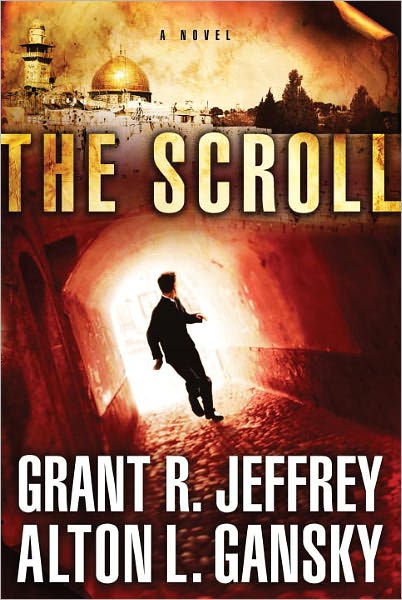
The Scroll by Grant R. Jeffrey

A fast-paced Christian-fiction-thriller involving international intrigue, archeology, and one man’s struggle with his own faith.

Dr. David Chambers is a world-class celebrity archeologist who has always specialized in scientific support for the Bible. But a crisis of faith has left him bitter, split from his former fiancé, Amber, and seeking a new area of study. So when an old friend and mentor requests his help on a new project, he wants to turn away; but a final expedition in biblical archeology is more than he can resist. This new project will make all his past accomplishments pale: there is unimaginable treasure to be found, and even more importantly, temple artifacts thrilling and useful to those who still believe. Surrounded by colleagues, professional rivals, estranged old friends, and Amber herself, David undertakes one final assignment in Jerusalem. The question of the Bible as historical fact is at risk, as are all David’s most valued relationships, including that with his God.

But then unknown forces come into play in a series of violent attacks, and it becomes clear that there is more at stake than David’s personal life and religion. The dig becomes an undertaking of international significance, with the world’s Muslim and Jewish powers struggling for control. Will David find the answers? Regain his faith? Will he survive this mission?

Jeffrey & Gansky have created an engrossing thriller that offers notes of interest in the field of archeology and special focus on love and relationships, and most importantly, relationships with God. If you can overlook that Muslims are generally depicted in a less-than-favorable light, this is a page-turner.


I wrote this review for Shelf Awareness for Readers. To subscribe, click here, and you’ll receive two issues per week of book reviews and other bookish fun!


Further feedback: I am not a fan of Christian fiction, mostly because I’m not a Christian. Most of the genre seems to require that of its readers, for fine writing, perfectly wrought plots, literary triumphs in general are rare; generally what Christian fiction seems to have to offer is a comforting reassurance of faith. The Scroll was somewhat unique in being a page-turning mystery, and I found it more palatable than those saccharine Christian romance novels. But there were still some strains on my credibility and most damning of all (no pun intended) was the unsympathetic treatment of the main Muslim character. That was just too obvious, easy, and stereotyped; no points given.