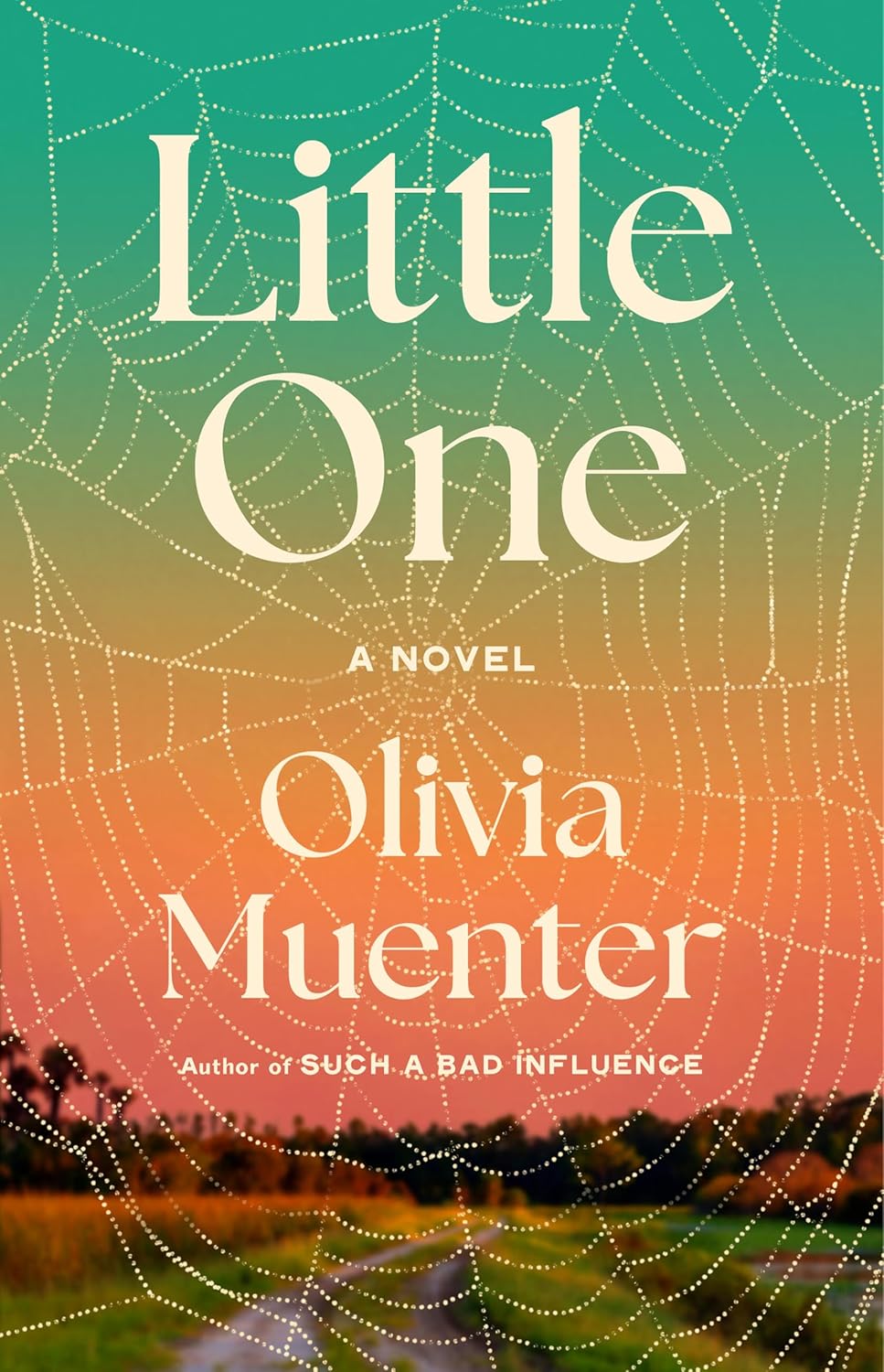
Little One by Olivia Muenter

A young woman’s troubled past resurfaces in this novel of psychological suspense and secrets.

Olivia Muenter’s Little One chills and entertains with the story of a young woman whose fresh start is interrupted.

Since leaving the intentional community run by her father in rural Florida, Catharine West has built herself a life from scratch in New York City. She has a successful copywriting career, visits the public library at least once a week, runs daily, and enjoys a snarky friendship over drinks with the disarming Stella, who says of Catharine’s library habit, “You do realize this isn’t actually a Nora Ephron film.” She doesn’t date much, which Stella attributes to a bad breakup or fear of change. Catharine holds people at arm’s length, privately enforcing upon herself some of the same obsessive standards she learned back at the farm, including extreme fasting and self-deprivation. She has shared her past with no one, which is why it’s so alarming when a journalist e-mails out of the blue with questions about “a little-known, now-defunct cult in central Florida.” Catharine’s carefully crafted, tightly controlled existence is threatened. But in balance with that risk hangs the chance that she might recover the one part of her past that she never meant to lose: her sister.

Little One, Muenter’s second novel (following Such a Bad Influence), follows Catharine in alternating chapters marked “Then” and “Now.” Catharine’s remembered Florida begins as idyllic, sunny, verdant, a childhood spent “chasing the coolest parts of the day, picking tomatoes at dawn, bringing each to my nose and marveling at the smell, all at once familiar and astounding.” But what began as a close-knit community with back-to-the-land ethics gradually became something sinister, sticky, and alligator-ridden in the oppressive heat.

In the present-day timeline, Catharine becomes increasingly involved with the journalist, Reese, whom she finds both attractive and off-putting. As she strings him along, giving him just enough to get back the information she needs from his unnamed source, it may be that she’s met her match. Meanwhile, readers recognize past Catharine (in her father’s steely grip) in the present one (wielding an ironclad control over her own life). Fasting becomes exercise compulsion and an obsession with willpower; the concept of hunger, in its various meanings, is central to the plot. Muenter’s expertly moody, creepy-crawly narrative is precisely paced. Secrets as off-balance as Catharine herself are released at a tantalizing rate that might just keep the reader up all night, as the novel accelerates toward a satisfyingly surprising conclusion.


This review originally ran in the November 21, 2025 issue of Shelf Awareness for the Book Trade. To subscribe, click here.


Rating: 7 car keys.

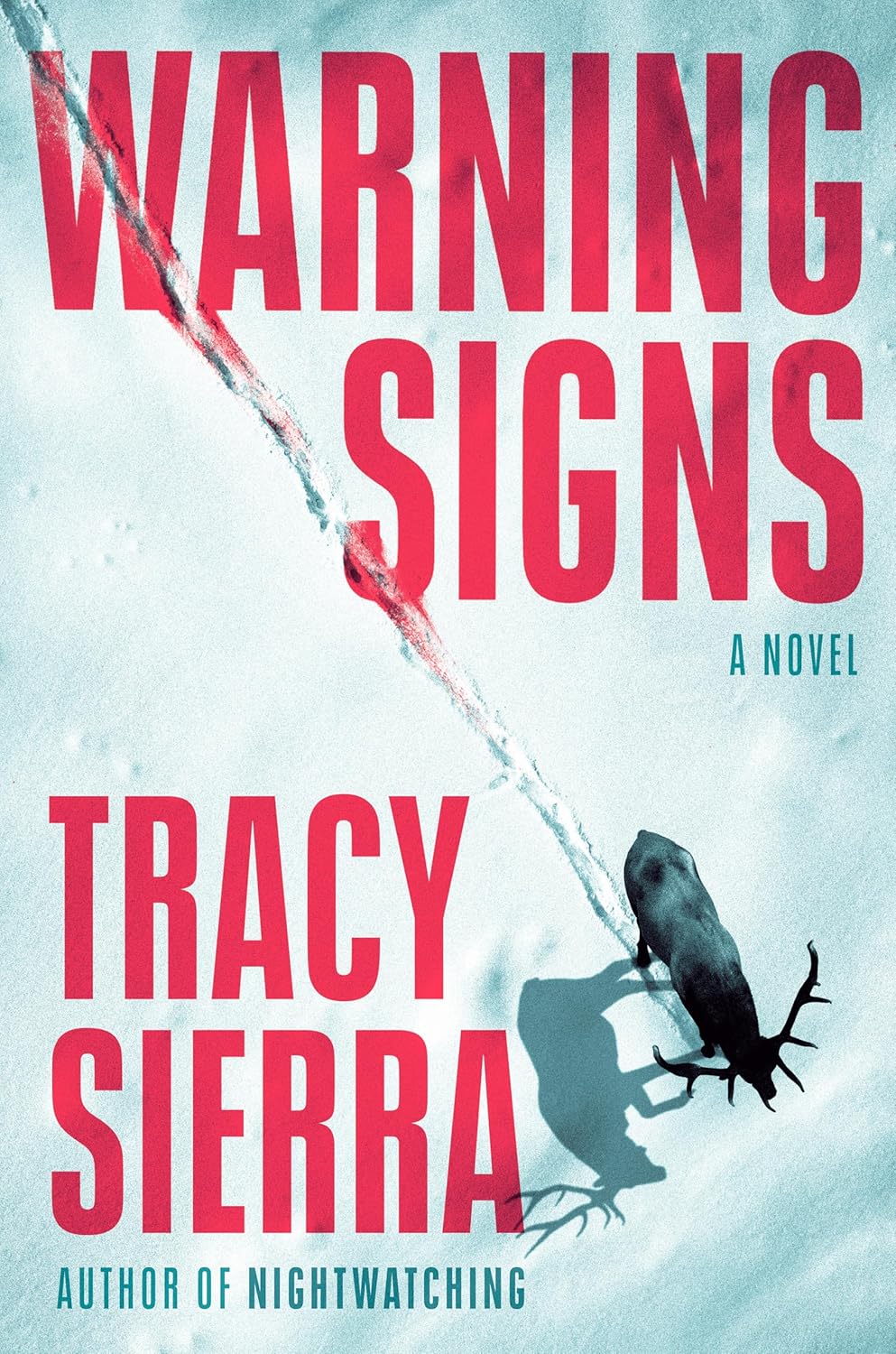
Warning Signs by Tracy Sierra

A young boy faces a variety of dangers when he enters deep snow and high mountains with his father in this enthralling novel of horror, suspense, and psychological intrigue.

Tracy Sierra (Nightwatching) conjures a terrifying narrative with Warning Signs, in which a 12-year-old boy grapples with hazards on several levels. This novel of horror and abuse is both enthralling and thought-provoking, liable to keep the reader up all night for a single-sitting read or to inspire nightmares–all worthwhile for the masterful handling of serious topics.

Chapter one introduces Zach, aged 11, his younger sister, Bonnie, and their mother, Grace. They are skiing uphill into the mountains of the American West, toward a hut where they will meet with other friends. Grace, an expert outdoorswoman, educates her young children in assessing avalanche risks, in survival, and how to manage fear. Chapter two jumps forward a year. Zach is 12, headed into the same mountains with his father, Bram. Bonnie has stayed home with a nanny; Grace is gone, for reasons not immediately explained. Where Grace was kind and patient, Bram is visibly short-tempered and exasperated. Zach fears him. They are to meet a group of men and boys at a backcountry ski hut for a fathers-and-sons ski trip, organized by Bram for the purpose of securing investments from the wealthier men he envies and courts. Zach has a role to play, but has always failed his father so far, never the rough-and-tumble, thick-skinned son Bram desires. Ironically, Zach’s skiing and outdoor survival skills (thanks to his mother) far surpass Bram’s, an imbalance that will matter in the coming days.

Over the long weekend, Warning Signs ratchets up the tension until it seems it can carry no more–and then ramps it up again. Zach is aware of at least three distinct threats: the perils of the natural world, including a very real risk of avalanche; his father’s irascible self-interest and capacity for cruelty; and a mysterious creature stalking the dark and treacherously cold high-altitude woods. Bram’s gathered group of men and boys presents a dangerous combination of skill and ignorance, hubris and machismo; Zach possesses good training and instincts, but as their youngest member, will be overlooked and ignored in an irony of Greek-tragedy proportions. Through it all, Zach (in close third-person perspective) continues to mull the absence of the dearly beloved Grace, and approach the horrifying truth about her loss.

With its triple-punch of terrors natural, human, and unknown, Sierra’s sophomore novel is truly and profoundly frightening. Beyond the fine art of the horror or thriller novel, Warning Signs also considers domestic abuse and control, class and ambition, and how we try to care for those we love. Discomfiting, chilling, and unforgettable.


This review originally ran in the December 2, 2025 issue of Shelf Awareness for the Book Trade. To subscribe, click here.


Rating: 8 lost mittens.

The Company of Owls by Polly Atkin

A poet and nature writer shares the grace, beauty, and lessons in her quiet observations of “my neighbours, the owls” in this loving memoir.

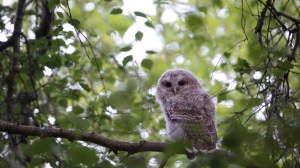
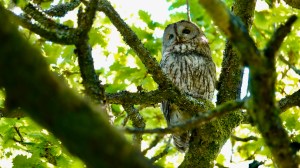
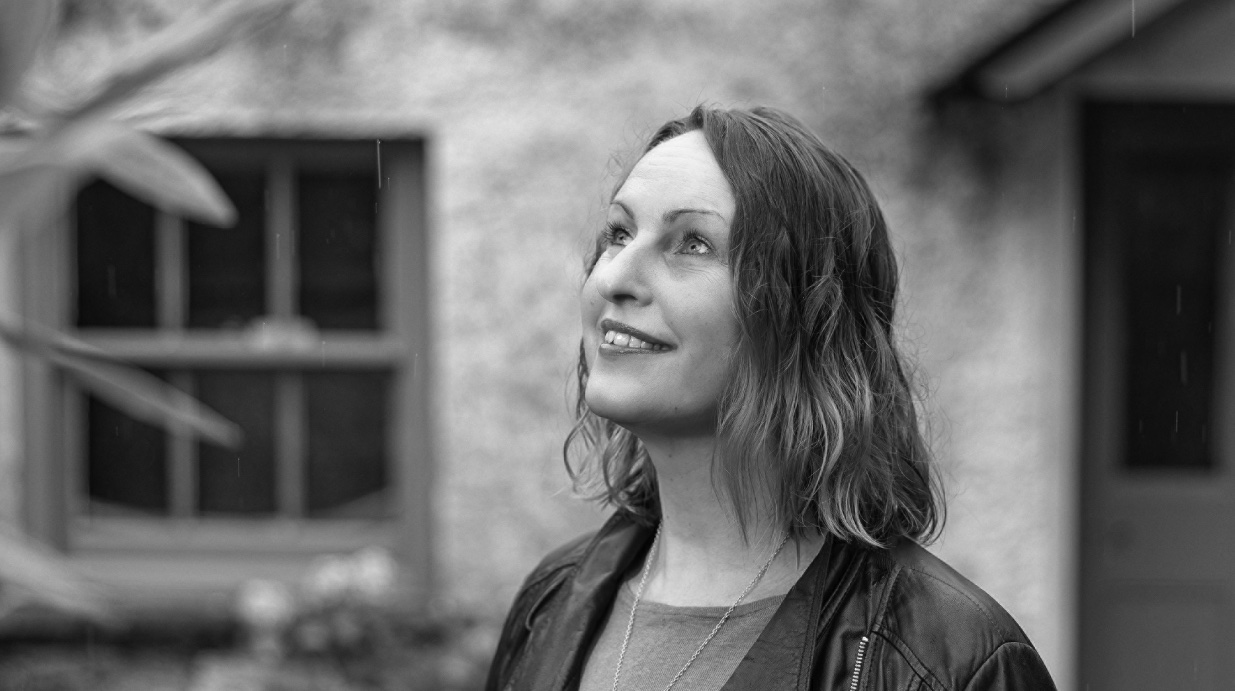
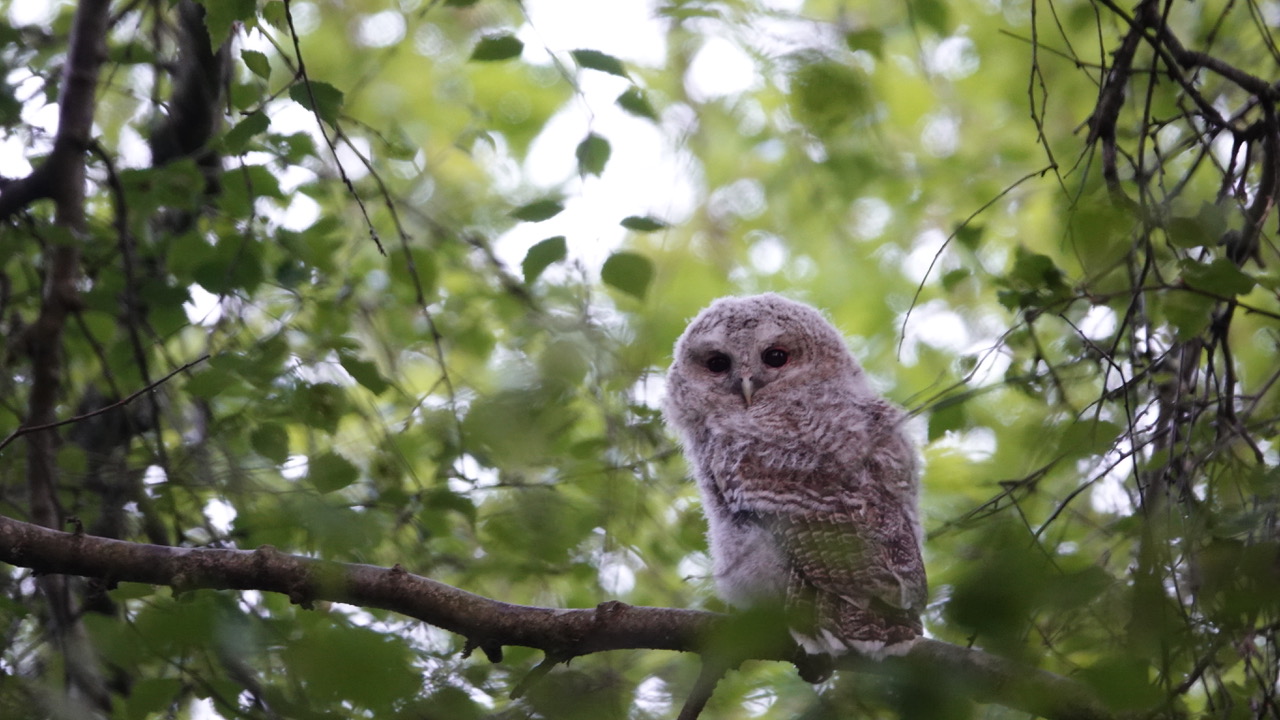
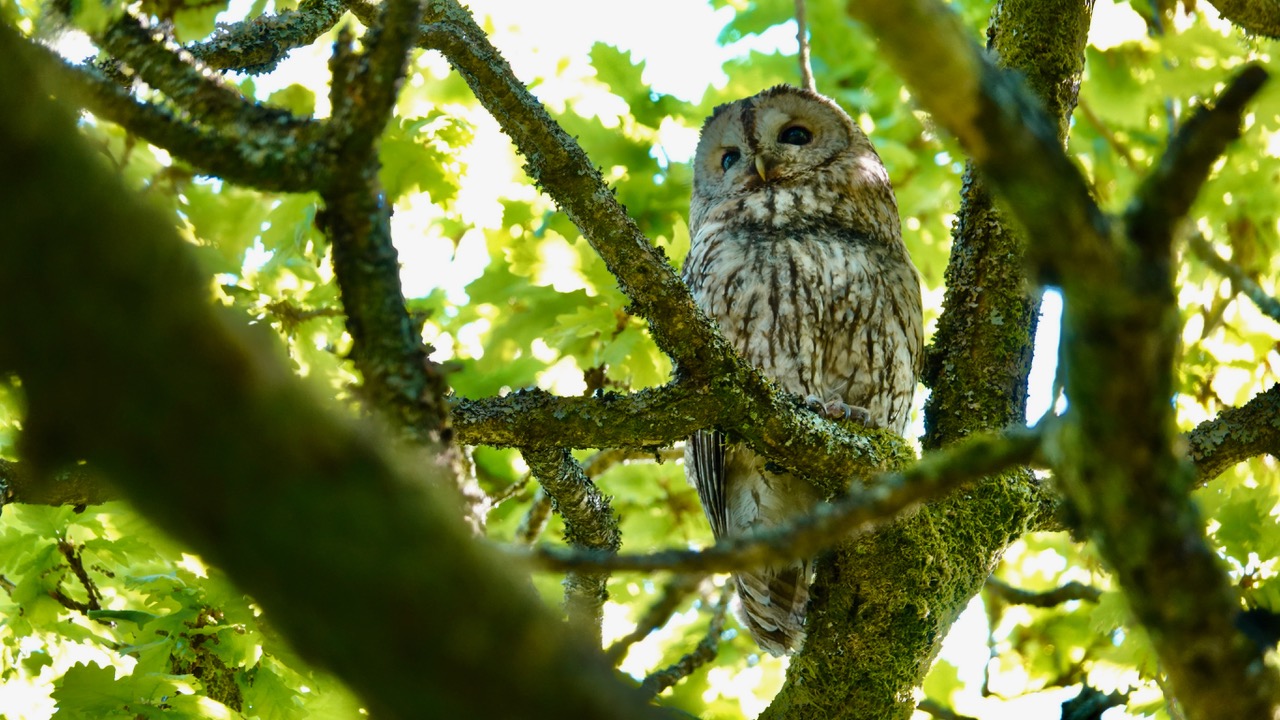
Polly Atkin (Some of Us Just Fall) brings a poet’s sensibility to a contemplative study of nature and self with her memoir The Company of Owls. From her home in the village of Grasmere in England’s Lake District, Atkin can hear tawny owls calling to one another; on short walks, she feels privileged to watch them hunting, nesting, raising their young. During and after the Covid-19 lockdown, she marveled at their lives, so little known to us, and mused on isolation, companionship, humans’ relationship to the rest of the natural world, and more. Not an ornithologist by training, Atkin feels drawn to her poorly understood subject, associated with both wisdom and death, night-dwelling but sun-loving: “This book is about owls, but it is also about me.”

Atkin, who lives with several chronic illnesses that limit her mobility and ability to work in traditional ways, found herself under lockdown questioning the nature of solitude and our many reactions to it. She made art of Middle English words for aloneness: uplokkid, reclused, onlihede, and solnes, which become chapter titles. “But the more times I wrote the words out, the more shades of meaning leached from my brushstrokes. The more ambiguous I felt my state of seclusion to be, the more ambiguous I felt about isolation.” She related to what she perceives as the owls’ need for both separation and togetherness. In her own insomnia, she connected to their apparent affinity for both darkness and light. “Without other humans to see you and claim you as theirs, you feel less and less like one of them, more and more likely something else. Something nocturnal. Something unbound.” She watched a trio of owlets navigate siblinghood, and worked to resist what felt like anthropomorphism.

This is a classic memoir in its meditative pacing, thoughtfulness, and self-examination. And of course its author, with several volumes of poetry to her name, takes special care with both language and detail. The Company of Owls balances a careful focus on the hyperlocal owls immediately surrounding Atkin’s home, and a survey approach to the history of owls in the region, the humans who study them, and the owls Atkin encounters online via friends and algorithms. Despite the easy assumption (as she notes) that “technology disconnects us from the world around us,” Atkin benefits from a larger world of owls. That wider lens improves her view of what lies just beyond her own home: the Lake District’s tawny owls, in their small movements, births, and deaths. Atkin’s lovely, reflective memoir reminds all readers to slow down, listen, and find joy.


This review originally ran in the November 24, 2025 issue of Shelf Awareness for the Book Trade. To subscribe, click here.


Rating: 7 tourists.

Is This a Cry for Help? by Emily Austin

As its protagonist wrestles with grief and challenges to intellectual freedom, this inspiring and very funny story showcases the power of love and libraries.

In the opening scene of Emily Austin’s fourth novel, a librarian named Darcy narrates her response to a patron watching porn in the library (mainly, per policy, to leave him be). From here, Darcy’s story unfolds to grapple with love, grief, mental health, the importance of libraries, and the navigation of personal, professional, and public relationships. Is This a Cry for Help? continues in the vein of Austin’s winsome work (Everyone in This Room Will Someday Be Dead; We Could Be Rats) with a disarmingly candid narrative voice, outrageous humor, and serious thinking on tough topics.

Darcy has a good life. At her public library, she gets to help a messy cross-section of humanity: not only the toddlers, book clubs, and precocious teens she originally imagined, but also people who lack stable housing or who struggle with substance abuse or mental illness, job seekers, immigrants, and people with opinions different from her own. She has a wonderful wife with whom she shares her authentic self, two cats, and a lovely home. But when Darcy learns of the death of her ex-boyfriend Ben, she is thrown off balance. The disruptions to her carefully organized life are often hysterically funny even as they are harrowing and tragic.

Darcy has just returned to work after a two-month leave of absence following a mental breakdown brought on by the news of Ben’s death. “Before this happened, if someone told me they were off work on stress leave, I might have been judgmental too. Now I understand that issues intensify when we smash them down into our boots.” She is not at her strongest for the new challenge of an alt-right self-appointed journalist harassing the library and Darcy for what he deems a series of moral infractions, including the porn-watching patron. Her community holds an array of political views and opinions on topics as personal as Darcy’s identity as a lesbian, and these values will be called into question by an attempted book ban.

Darcy’s first-person narration lets the reader see her puzzle through the motivations of those around her, parsing social cues and questioning her own choices. Since the breakdown, she’s been seeing a therapist (a process she finds “hokey,” but she’s making an honest effort), and she is well served by her earnest analysis of the actions and motivations of herself and everyone around her. “I’m not just thirty-three; I’m twenty-seven. I’m eighteen. I’m nine. I was just born. And I have to carry all of those versions of myself, the feelings they have, and the mistakes they’ve made, everywhere I go.” Thoughtful and self-aware, if often awkward, Darcy strives intentionally to live as best she can. Is This a Cry for Help? portrays a stressful period in her life, but one she ultimately inhabits with wisdom and grace. Hilarious, wrenching, endearingly odd, Darcy’s story is both enlightening and somehow comforting.


This review originally ran in the November 10, 2025 issue of Shelf Awareness for the Book Trade. To subscribe, click here.


Rating: 8 pigeons.

Dandelion is Dead by Rosie Storey

A grieving sister finds that hope, silliness, angst, and even love may be possible amid loss in this astonishing first novel.

Rosie Storey’s debut, Dandelion Is Dead: A Novel About Life, is a glittering riot of grief, laughter, missed connections, absurdities, and the joys and pains of life’s many facets. From one unexpected turn to the next, this story will keep readers emotionally engaged and yearning alongside its protagonist.

Poppy Greene is 37 years old and deep in mourning. It has been 231 days since her older sister, Dandelion, died “and, somehow, it was spring again.” Dandelion had been wild, irrepressible, author of all the sisters’ adventures; without her, Poppy (a professional photographer, ever the observer) is unmoored. Going through her sister’s phone, she clicks on a dating app and, on a whim, answers a message from a year-old match. When Jake asks for a date on Dandelion’s 40th birthday, it feels like fate, or magic, or Dandelion’s mischievous hand from beyond the grave. Poppy does not set out with the purposeful intention of impersonating a dead woman (nor of cheating on her longtime boyfriend, Sam), but she finds Jake incredibly magnetic, and soon begins a romantic relationship in her sister’s name. Dandelion Is Dead alternates between Poppy’s close third-person point of view and Jake’s, revealing his own intense attraction to the woman he knows as Dandelion, and his own past traumas. Poppy and Jake are both awkward, ungraceful, and heartfelt in their romance; both commit dishonesties that threaten everything they value.

The aptly named Storey excels at whimsy, delightful comedy, and pathos. Her plot is composed of debilitating losses, madcap adventures, treacheries, secrets, love, and striving. The profound charm and appeal of Poppy and Jake lie in their contradictions. They suffer terrible losses and make poor choices; they are capable of both sweetness and betrayal. The cast is enriched by Poppy and Dandelion’s lifelong friend Jetta (and her loyal husband); the young son Jake is devoted to, and his masterfully nuanced ex-wife; Poppy’s unsympathetic boyfriend; and of course, the mythic Dandelion herself. While its subtitle feels accurate, this debut is also clearly a novel about grief. Poppy learns that if she is going to find a fulfilling life after losing her sister, she must grapple with her own mistakes and those of her loved ones, even those she’s lost. Dandelion Is Dead is a scintillating achievement in emotional range, humor, and wisdom. Poppy Greene thinks she is the less magnetic sister, but no one who meets her will easily forget her.


This review originally ran in the November 7, 2025 issue of Shelf Awareness for the Book Trade. To subscribe, click here.


Rating: 8 Twisters.

Yosemite Wildlife: The Wonder of Animal Life in California’s Sierra Nevada by Beth Pratt; photographs by Robb Hirsch

Environmental leader and lifelong Yosemite lover Beth Pratt partners with biologist and wildlife photographer Robb Hirsch to offer Yosemite Wildlife: The Wonder of Animal Life in California’s Sierra Nevada, the first book in 100 years to address this national gem’s diverse animal wildlife. With more than 300 images, Yosemite Wildlife is also rich in Pratt’s accessible prose; this thorough survey of observations and storytelling is designed to update a 1924 publication for the historical record. As a beautifully produced, large-format, glossy presentation, it also exhibits Pratt’s and Hirsch’s expertise and passion for a place that is much more than just its famous geology and dramatic scenery. With plentiful archival records, historical images, and personal stories from park staff and naturalists, it’s an informative document as well as a stunning visual feast.

Conservation success stories and profiles of Yosemite’s human defenders over the years accompany Hirsch’s sumptuous images of the iconic black bear and mule deer, the Sierra green sulphur butterfly, the northwestern pond turtle, raptors and songbirds, dragonflies and butterflies, charismatic predators, shy shrews, quirky herptiles, and more. Exquisite.


This review originally ran in the November 4, 2025 gift issue of Shelf Awareness for Readers. To subscribe, click here, and you’ll receive two issues per week of book reviews and other bookish fun.


Rating: 8 push-ups.

Maximum Shelf author interview: M.L. Stedman

Following Friday’s review of A Far-Flung Life, here’s M.L. Stedman: Capturing the Vast Sweep of Events.


M.L. Stedman was born and raised in Western Australia and now lives in London. The Light Between Oceans was her first novel. Her second, A Far-Flung Life (Scribner, March 3, 2026), examines tragedy, memory, loss, secrets, and the power of love in a family saga set against the vast, stark landscape of a Western Australia sheep station.

Where does the germ of such an expansive plot begin?

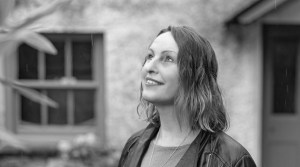
M.L. Stedman
(photo: Johnnie Pakington)

It’s different for everyone. I don’t plan what I write–it just sort of turns up, from an image in my mind’s eye, or a random thought. Setting is always crucial for me, too, and Western Australia is a natural place for my stories to arise. I’m drawn to intractable problems, which, because they have no “right” answer, force us to examine our underlying values: as with The Light Between Oceans, there are knotty ones at the centre of this book.

I wrote the story over a very, very long time, and it just sort of grew and took shape organically over years. Characters turned up bit by bit, out of nowhere: they might be prompted by seeing a face, or hearing a phrase, or sometimes, they just materialised when I started to imagine a scene. The process is quite mysterious to me.

How was the process or experience of this novel different for you from your first?

The biggest difference was the time it took–I wrote my first book in about three years or so. It was harder to find uninterrupted space to write once The Light Between Oceans was published. As to what’s changed–I’d say the whole world. From that point of view, it was a great luxury to spend so much time in the remote imaginary setting I’d created, where e-mails and smartphones didn’t exist, “far from the madding crowd.”

Do you have any organizational tricks, for plot or timeline, for example?

When it comes to writing, I’m both organised, and not organised. I’m organised in that I set aside time for it–being at your desk increases the chances of actually writing something. I’m not one of those writers (whom I envy), who can say “I’ve got a spare hour between festival events, so I’ll write a few pages of my novel.” I need long, uninterrupted stretches.

I think it’s important to find out how you write best, and do that: if you’re a planner, plan. If (like me) you’re not, and story turns up as your fingers hit the keyboard, don’t fret about the lack of a plan. I don’t write in chronological order. Often, scenes aren’t remotely linked, and then, with time, like mushrooms underground, little connections form by themselves and suddenly things fit together. It’s risky, of course–you have to be prepared to discard strands that turn out to be dead ends. But in discarding, and discovering what the story is not, you narrow down what the story is. For me, the trick is to stay, to wait, and to trust.

Is “forgetment,” for “the opposite of a memory,” your own coinage?

The concept of “forgetment” is foundational to the book. Anyone who spends a long time thinking and writing about memory will probably eventually notice that there’s a word for things we remember (“memory”), but not one for things we forget. I came up with the word “forgetment,” but didn’t investigate beyond its absence in the Oxford dictionary. When I finally did Google it years later, it turned out–not surprisingly–that other people had thought of that word too.

I’m fascinated by how the “known now” becomes the “lost past.” In the book, there’s a reference to Sleeping Beauty, in which a whole castle disappears from memory. The fact that we accept that story so readily bespeaks how familiar we are with the process of “un-knowing.”

I’m also interested in the role of forgetting in forgiving (there’s a reason we say “forgive and forget”). Humans have been outsourcing memory since they first drew on cave walls. Writing supercharged this, and lately, technology has increased it exponentially, so that the most trivial things are now indelibly recorded and subject to instant recall, without context. Does this mean as a society we’re losing the ability to forget, or at least, as individuals, to choose what is remembered about our lives? If every fault or grudge or transgression remains fresh in our minds, does it diminish our ability to forgive?

Was the close third-person perspective, shifting between characters, always the plan, or did you play with a few points of view?

Writing in the third person comes most naturally to me. That said, I also think about the characters in the first person, seeing the world through their eyes. I’m very conscious of how characters see themselves and each other, and, in A Far-flung Life, how the omniscient narrator sees them all. We switch between the characters living their lives minute to minute, struggling through peril to an unknown future, and the omniscient narrator, who reminds us of the vast sweep of events in that timeless, imperturbable landscape. I find that “eternal” perspective reassuring, comforting.

What was the role of research in this novel?

Research is one of my favourite aspects of writing. For this book, I travelled a lot within Western Australia, read a lot, listened a lot: to people; to the sound of the wind in the trees and the night creatures of the Australian bush; above all, to the deep silence that envelopes the far-flung places I describe. I spent a long time in archives, exploring records that left my fingers covered in the red dust that filled the pages. I was incredibly fortunate to speak to pastoralists (like “ranchers” in the U.S.) and geologists and other people of the generation in which Australia “rode on the sheep’s back,” who recounted their stories and guided my research. I studied rocks and sheep (I even had a brief taste of shearing a wether, under very close supervision!). I visited various stations, sometimes hitching a ride on small aircraft visiting remote places, or delivering supplies to a station cut off by floods.

I must pay tribute to librarians and archivists, the unsung heroes keeping “forgetment” at bay. In this era of austerity and automation, I fear these quiet champions of knowledge are an endangered species. But computers could never replace their wisdom and enthusiasm.

What might you work on next?

Ha! If I knew, I might even tell you. But the ink is barely dry on this book. Once it makes its way out into the world, I’ll look forward to retreating to my imagination again, following up a few little threads of ideas, to see what they want to grow into.


This interview originally ran on October 30, 2025 as a Shelf Awareness special issue. To subscribe, click here, and you’ll receive two issues per week of book reviews and other bookish fun.

Maximum Shelf: A Far-Flung Life by M.L. Stedman

Maximum Shelf is the weekly Shelf Awareness feature focusing on an upcoming title we love and believe will be a great handselling opportunity for booksellers everywhere. The features are written by our editors and reviewers and the publisher has helped support the issue.

This review was published by Shelf Awareness on October 30, 2025.


M.L. Stedman (The Light Between Oceans) awes and transports readers with the astonishing A Far-flung Life, a sweeping family drama spanning the latter half of the 20th century. Layers of tragedy and compelling, nuanced characters are set against a vast, indifferent landscape in Western Australia.

The MacBride family has run a sizable sheep station for generations, with quiet success, in a dispersed but close-knit community whose respect they have earned. “The MacBrides had the touch, it was said: sensible but shrewd, careful but not mean.” The novel opens with landscape, scenery, and color: red earth, blue sky, dust-green vegetation, the “straight vermilion line” of a road through sparse trees. Against this backdrop, three MacBride men travel “like unpacked Russian dolls” in a Bedford pickup truck across the expanse of their sheep station, “nearly a million arid acres.” Phil drives, accompanied by his sons, Warren and Matt, and a trailer full of sheep. It is fitting that the reader meets this landscape before its human inhabitants; Stedman will consistently reinforce that contrast. It is early 1958, and the date, January 10, will reverberate through the MacBride family history for years to come.

Phil MacBride has known since his feet could reach the pedals not to swerve to avoid a kangaroo. But under the January sun, he makes a fateful error. Back at their homestead, hours later, Phil’s wife, Lorna, and daughter, Rose, open their door to two policemen, from whom they learn of lives both ended and hanging in the balance. The consequences of the crash that opens Stedman’s masterful novel will tumble and tangle MacBride lives for generations. Amid unspeakable tragedy and threads of hope, a note of whimsy cuts through: also introduced in this opening chapter is the outright oddity of a fully rigged pearling lugger. The subject of legend, the boat abides in its own structure, known as “Monty’s shed,” for the late Montgomery MacBride, Phil’s uncle, who won the vessel in a bet but never got to sail it. The MacBrides maintain the tradition of oiling its timbers, keeping spiders and termites at bay, and placing a beer in its bow every year on Monty’s birthday. Matt MacBride–thrown from the truck on that January day–as a younger son, was destined not to inherit the sheep station but to make his own way in a larger world. He had longstanding goals and dreams springing from Monty’s boat. Now everything has changed; but the pearling lugger remains in its shed, storing potential.

A Far-flung Life follows the remaining MacBrides as they continue to scrape life and livelihood out of a hardscrabble home with fragile concepts of morality and honor, and the power of love. They weather births and death, secrets, and scandals both experienced and kept hidden. Throughout every loss and recovery, their fate remains tied up with the land: “Our lives come and go like these gold-rush towns. We arrive, we grow, we thrive, then we’re gone. Then the forgetting happens, and once-solid foundations are barely traces in the earth, from unguessable lives. Whole communities and the ties that bound them are blown away with the dust.” Stedman excels at description of both landscape and the human experience, and alternates applying this close attention to the events in her characters’ lives and to the larger world in which they live. “In the end, we’re all looking for a place to ride out the storm of life. Among all these husks of houses and fossils of trees, we are like hermit crabs, borrowing a shelter for a time, and moving on.”

As the MacBrides carry on after the crash, their lives will continue to call upon big themes, including inexorability and change, innocence, and the handling of painful truths. Stedman generally employs a shifting close third-person perspective, allowing her reader to see through one character’s eyes and then another’s, finding out at different points what they know. This careful reveal not only of events, but of various characters’ knowledge of events, is central to the complexity of the MacBrides’ secrets. Another significant theme is the tension between memory and forgetting. One young character, in asking questions that his elders can’t or won’t answer, coins a term, “forgetment,” for what is forgotten–“the opposite of a memory.” This concept recurs throughout a plot that revolves around what its protagonists can’t remember and what they wish they didn’t.

Like the heartrending The Light Between Oceans, the MacBrides’ story interrogates ideas of right and wrong in specific and complicated cases, and the experience of humans writ small against a vast landscape. “This land has seen improbable things: the evolution of marsupials and monotremes; of flightless birds and animals that fly. It’s seen continents split and islands arise. It’s seen oceans turn to desert and desert turn to glaciers. And it’s watched people drag their little lives across its surface, flat and unforgiving.” By the end of this epic and wrenching family saga, readers will care deeply about lives that are “destined to join the vast ocean of human forgetments.” Heartbreaking and painfully beautiful, A Far-flung Life will haunt and comfort long past its final page.


Rating: 8 goannas.

Come back Monday for my interview with Stedman.

Cape Fever by Nadia Davids

A lonely colonial woman offers to write letters to the fiancé of her maid and the two become disturbingly intertwined in this evocative gothic tale of race, class, and spirits.

“I come highly recommended to Mrs. Hattingh through sentences I tell her I cannot read.” South African novelist Nadia Davids’s twisting gothic drama Cape Fever, her U.S. debut, opens by highlighting narrator Soraya’s ability to read, which she keeps from her employer. Soraya goes to work for the settler Mrs. Hattingh in 1920: hired as a combined cleaner and cook, the younger woman understands that the elder is not as wealthy as she wishes to appear. In the colonial city in which Mrs. Hattingh reigns over a large, lonely home, Soraya’s close-knit, loving family lives in the nearby Muslim quarter; Soraya is permitted by her employer to visit only rarely. Her father is an artist in religious calligraphy, creating beautiful works of prayer and devotion. The word “proclaim,” he instructs her, is “also read, recite. You see? For us, to read, to recite, is one,” and “The person is a pen. The person is paper.” Soraya’s fiancé, Nour, is an accomplished scholar who works on a farm while saving for teachers’ college.

There are moments in which Soraya feels something like fellowship with her employer, when she intuits that “every woman, rich or poor, madam or maid, dreams of escape.” But working for and living with Mrs. Hattingh, under power structures bigger than the individual, is deeply unpleasant. “She’s never understood the scale of what she wants and asks for.” Soraya retreats, in her small room, into the stories and characters that have come to her all her life: the Gray Women, as she terms the spirits that she alone can see; a seawoman with ink for blood; a woman who makes a baby out of soap. She finds Mrs. Hattingh’s house is teeming with spirits.

Mrs. Hattingh introduces a new comfort and stressor when she offers to write to Nour on Soraya’s behalf. As one woman takes the voice of the other–and intercepts the correspondence that arrives in return–their identities blur in disturbing ways. Soraya holds what she can of her own life in private and cherishes her visits to her family’s home, until even these are forbidden. In the increasingly claustrophobic manor, the tension between the two women builds, resulting in complex layers of psychological intrigue amid themes of class, race, love, grief, and haunting. In Soraya’s compelling voice, Davids blends mysticism, quiet power and resistance, and pain born of a long stretch of history in this unsettling tale of suspense. Cape Fever is beautiful, discomfiting, and moving.


This review originally ran as a *starred review* in the October 28, 2025 issue of Shelf Awareness for the Book Trade. To subscribe, click here.


Rating: 7 pickled lemons.

The Gallagher Place by Julie Doar

In this moody debut novel, new and old crimes on her family’s estate in upstate New York force a quietly struggling woman to confront loyalties and conflicts among family and friends.

Julie Doar’s first novel, The Gallagher Place, investigates old and new mysteries within a compelling family drama set in a striking landscape.

Protagonist Marlowe Fisher is an illustrator living on the Upper West Side and a loner, even surrounded by her powerful family and their estate. When she and her two brothers, as adults, discover a body on their property, the case reopens old wounds. Decades earlier, Marlowe’s childhood best friend vanished without a trace. The freshly murdered man and the long-missing teenaged girl do not initially appear linked, but the surrounding community has long harbored suspicions about the wealthy Fishers. Marlowe has always yearned to know what happened to Nora, although that desire presents new conflicts, having come under investigation once again.

The Fishers have always used the Gray House in upstate New York as a weekend and holiday retreat, “a wholesome family sanctuary to escape the crowded city life and the bittersweet pain of growing up too fast. A haven, her father sometimes called it. If that was the case, why did bad things still happen?” And bad things do happen, especially the disappearance of Nora Miller. Marlowe has never had another relationship as meaningful as her friendship with Nora, a local girl and an honorary, if part-time, fourth Fisher sibling, who wished desperately to escape her rural roots. Marlowe feels strongly: “Nothing mattered as much as the two of us.” The loss of Nora has shadowed Marlowe’s life ever since, culminating in a carefully hidden drinking problem.

The recent murder, and accompanying investigation into Nora’s disappearance, is both galvanizing and disturbing. As Marlowe embarks on her own inquiries, more thoroughly than ever before, she not only refreshes old pains but discovers new risks. To search for Nora means to interrogate her own memory, to learn uncomfortable truths about herself and her family, to confront class differences, privilege, and inheritances. This discomfiting process takes place in two timelines, against the backdrop of Dutchess County, N.Y., in the summers of the 1990s (when Nora and Marlowe were teenagers) and in the present winter of 2018. The Fisher property defines Marlowe’s greatest trauma and coming of age; she remains devoted to “the spirit of landscape” that inspires her art. A strong sense of place is central to this chilling novel about old secrets and what one might choose to uncover or keep hidden. The Gallagher Place is dramatically atmospheric, expertly paced, and haunting.


This review originally ran in the October 10, 2025 issue of Shelf Awareness for the Book Trade. To subscribe, click here.


Rating: 7 gifts.