






The 2018 freeing of an Indian Ocean archipelago from British colonial rule is both a complex case of international law and a stirring tale of injustice and homecoming.
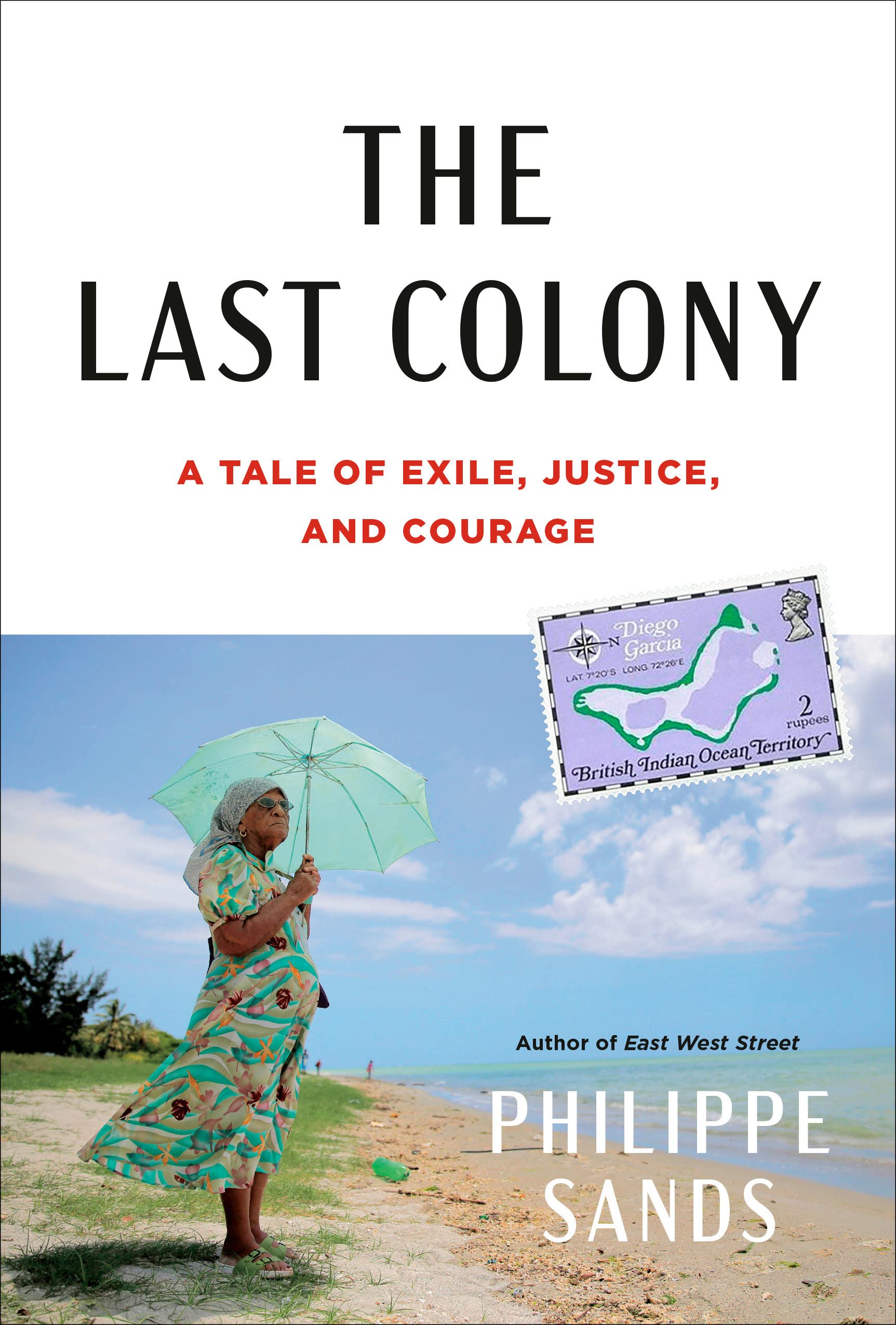
In The Last Colony: A Tale of Exile, Justice, and Courage, Philippe Sands combines a moving story of human tragedy and injustice with the complexities of international law to great effect.
The Chagos Archipelago is a little-known collection of islands in the Indian Ocean near Mauritius, colonized over centuries by the Portuguese, Dutch, and French before becoming a British colony as part of Mauritius. In 1973, the British forcibly removed its longtime residents, ostensibly to make way for a United States military base on a single island. Residents for generations, in many cases descended from enslaved coconut oil workers, were deported en masse with no notice, forced to leave behind their homes, memories, pets, and any possessions that didn’t fit in a single small trunk. Among them was Liseby Elysé, recently married, 20 years old, and four months pregnant. Decades later, in 2018, Madame Elysé would be present for the decision of the International Court of Justice in The Hague that would allow her to return to her home island, for which she’d yearned all those years. Her testimony would be an important part of that case.
Sands (East West Street; The Ratline) was part of the legal team representing Mauritius in its bid to free the Chagos from British control. With decades of international law experience and an intimate knowledge of many of the judges and lawyers involved, Sands brings authoritative expertise to this subject matter; as an actor in the case at hand, he acknowledges his personal perspective, including an admiration of Madame Elysé and other Chagossian activists. Madame Elysé cannot read or write, but in Sands’s recounting she is a natural storyteller, has an excellent memory, and speaks eloquently and unwaveringly of her strong feelings for her home. This sense of place and feeling of loss for her homeland, even nearly 50 years after leaving, strikes a common chord of human connection to the place from whence one came.
With a lawyer’s careful research and methodical laying out of the facts, Sands rewinds to 1945 and Ralph Bunche’s work on decolonization at the founding of the United Nations; briefly reviews Chagossian history over centuries; and then zooms into the finer points of international law on separation of colonies after World War II. The Last Colony is both a neat work of detailed legal points and history, and a deeply felt narrative about the injustice of deportation and the dwindling number of Chagossians with strong ties to their homeland. Madame Elysé is an impressive, courageous figure and emblem, putting a human face on colonialism’s continuing wrongs, both for the International Court and this book. There is much to appreciate about this little-known story in Sands’s sensitive telling.
This review originally ran in the August 1, 2023 issue of Shelf Awareness for the Book Trade. To subscribe, click here.
Filed under: book reviews | Tagged: creative nonfiction, law, nonfiction, politics, Shelf Awareness | Leave a comment »




 pagesofjulia