I don’t regret the books I’ve read, but those I did not read

I work in a library that focuses mostly on fiction, mostly on bestsellers, and mostly on recent releases. Recently released bestselling fiction is the big hit, although we certainly carry exceptions to each category, too. I get asked a lot about books. I get asked for advice on what a patron should read – this is the most common and the most natural and appropriate; I’ve taken courses and read books about “reader’s advisory” service, which means advising what books a person might enjoy, based on what they’ve enjoyed (or not) in the past. (I still consider myself woefully inadequate, mostly because we can’t read them all! But I try – and I’m familiar with what’s expected, with what reader’s advisory entails, even when I can’t perform.) Almost as frequently, I get asked about what I am reading, what I like to read, what I’ve read recently. This can be a tricky one. It should be easy – I should be able to answer honestly, and that should often lead to a fun, stimulating conversation, even if our reading tastes differ. (Which is fine! I like to say, how boring would it be if we all liked the same things? And how long the lines would be, too!) But sometimes I get some strange questions or strange responses. Today, when asked what the last book I read was, I answered truthfully: The Taming of the Shrew. I was rewarded with deep, uncontrollable belly laughter as the patron stumbled out wiping his eyes. I don’t entirely understand. Carry on, sir.

I also get asked difficult questions, like, “which Christian fiction author do you like to read?” The truthful answer is none; the diplomatic answer is “Jan Karon and Karen Kingsbury are very popular. What are you looking for? Who have you enjoyed in the past?” It always makes me smile bemusedly when people ask me, “do you read?” (I’m sure there is a librarian out there who doesn’t, but really.) Or another favorite, when a big batch of hot-off-the-presses, brand-new books arrive: “have you read all of these?” To which I reply, “no. I put them out for you all, first.” But sometimes I can’t resist grabbing a brand new one, I confess. The Reversal and The Paris Wife both came straight home with me, for example. And sometimes I get to read a gally before publication, as I did with Chevy Stevens’ Never Knowing (review yet to come, via Shelf Awareness). But mostly, my access to our library’s new books is limited in the same way my patrons’ access is: by availability. Also, I’m very busy, have lots of reading to do, and try to prioritize their access more highly than my own.

I do get excited about a lot of the books that I buy for the library. And I do get to read a lot of them, but I miss more than I hit. By how many? Well, I got curious. Out of 2011 book orders to date, I have read (in no particular order):

**Some of these were among the best I’ve read this year, too.

But on the other hand, I wanted to read:

  • Turn of Mind, Alice LaPlante
  • Once Upon a River, Bonnie Jo Campbell
  • County: Life, Death and Politics at Chicago’s Public Hospital, David Ansell
  • Tolstoy and the Purple Chair: My Year of Magical Reading, Nina Sankovitch
  • The Invisible Line: Three American Families and the Secret Journey from Black to White, Daniel J. Sharfstein
  • The Clamorgans: One Family’s History of Race in America, Julie Winch
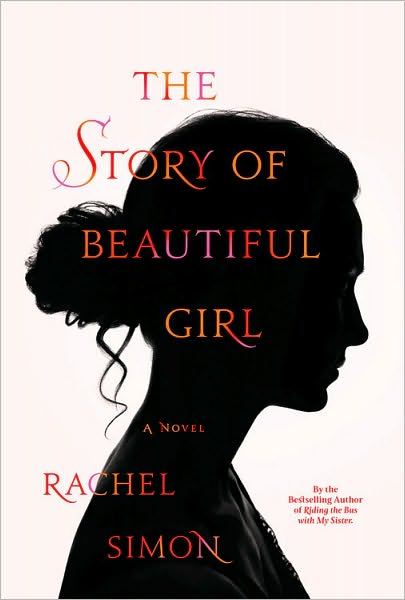
  • The Story of Beautiful Girl, Rachel Simon
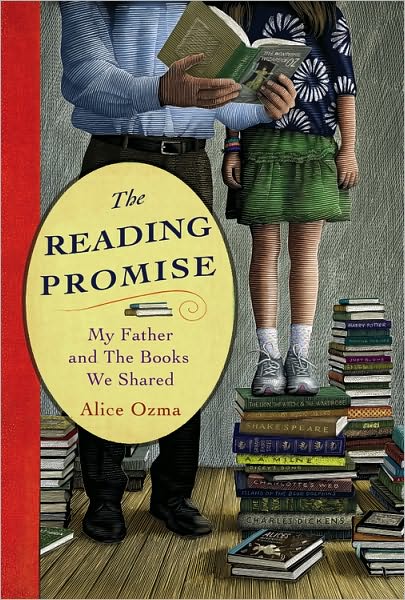
  • The Reading Promise: My Father and the Books We Shared, Alice Ozma
  • Ruby Red, Kerstin Gier
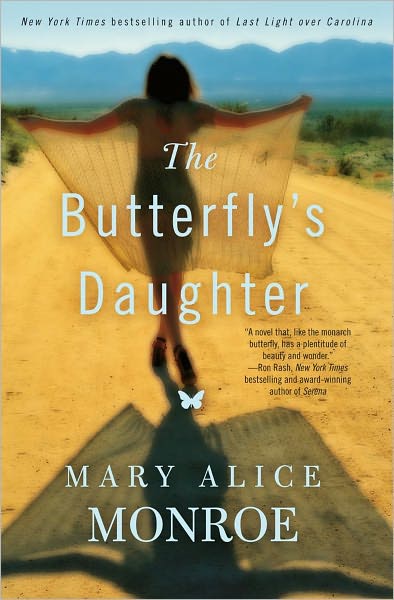
  • The Butterfly’s Daughter, Mary Alice Monroe
  • Claire DeWitt and the City of the Dead, Sara Gran
  • I’ll Never Get Out of This World Alive, Steve Earle
  • Mightier Than the Sword: Uncle Tom’s Cabin and the Battle for America, David S. Reynolds
  • Georgia Bottoms, Mark Childress
  • One of Our Thursdays is Missing, Jasper Fforde
  • Mr. Chartwell, Rebecca Hunt
  • Oracle of Stamboul, Michael David Lukas
  • Cleaning Nabokov’s House, Leslie Daniels
  • Crime: Stories, Ferdinand von Schirach

…that’s a lot of books. I may still make it to several of these – I have my heart set on County, for example. (I want to continue my reading of history and historical fiction in Chicago and the northeast, as in The Devil in the White City, Newspaper Titan, Around the World on Two Wheels and Clara and Mr. Tiffany.) But others will just fall off my wish list gradually for lack of attention – or move up it, if someone else raves. This is the joyful problem of the avid reader and professional librarian: so many options, so little time.

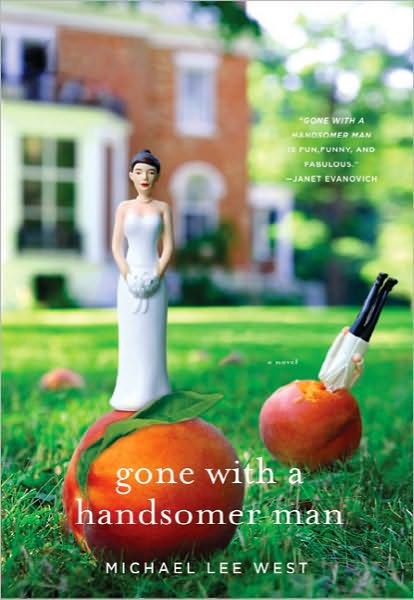
I know I’m not alone! What has passed you by this year that you’re still hoping to find time for? Or, what DID you find time for that turned out really, really well? Best of 2011? (We’re talking published in 2011 here for now. My best of 2011 [published in] are those asterisked, above.) Anything really terrible? (I found Gone with a Handsomer Man very disappointing.) Please do share. Tell me I’m not alone. 🙂

Dewey vs. the card catalog

I just need to interrupt our regularly scheduled programming to clear up what appears to be a common misconception.

I have this shirt.

Pretty rad, right? It totally draws conversation, and has resulted in me meeting a few very cool fellow librarians when out on the town, too. (Hi, Rob & Shannon!) But it also tends to expose people’s misunderstandings about what’s pictured there.

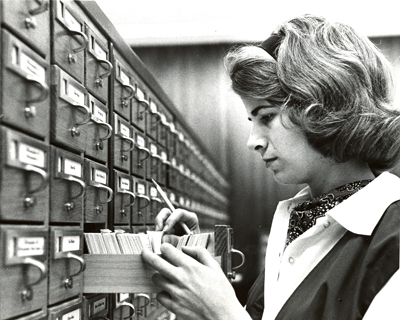
The picture in that image above is of a card catalog, y’all. It’s a card filing system, and it contains (or contained) cards, on which were printed information about items in a library’s collection. The joke on the t-shirt – “never forget” – is a reference to the fact that card catalogs are pretty much dead. Gone. We now have electronic catalogs that have the same library function: to find what books we have by title, author, and more bibliographic attributes, as well as by subject. Card catalogs. Gone.

But I keep hearing people mention Dewey when they see this shirt. There is no Dewey on this shirt, folks. Let me help.

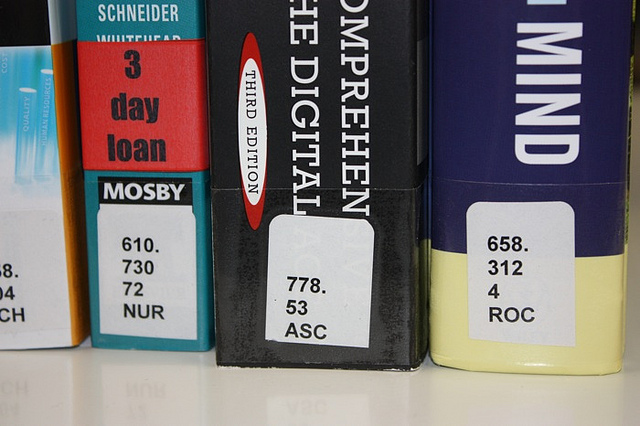
The Dewey decimal system is a classification system, meaning a way of classifying books (or other items) by subject, and coding subjects, in this case, by a series of numbers. We group books together by subject, so that if you find the one book you want, you can find a bunch of other similar books parked next to it on the shelf. In this way, 796.63 stands for “Mountain biking (All-terrain cycling).” 636.76 stands for toy dogs, including the chihuahua. This classification system does not need cards, or a card catalog. It is alive and well in many libraries today, including the one I work in. We use an electronic catalog, not a card catalog, but Dewey, all the same. My books on true crime [homicide] sit happily together at 364.152. Right now. Dewey. Not Gone.

See the difference?

If your eyes aren’t glazed over yet, I’ll tell you that when I couldn’t find a print copy anywhere of Irrepressible Reformer: a biography of Melvil Dewey, I started reading it through Google Books. (This book’s Dewey number, by the way, is 020.92. You’re welcome.) I didn’t get to finish, because Google Books offers only a preview, which turned out to be something like 100 pages, if memory serves. But I read enough to tell you that Dewey, creator of the system, was a fascinating character. He was a reformer and an innovator of a number of systems, not only classification of books but library practices generally, the metric system, spelling, higher education, and library schools. He’s also a pretty controversial figure, having used very questionable business practices and even in the most generous of light, taken advantage of his benefactors. (For example, he set up various organizations and bureaus in pursuit of his various causes, but they all shared one money pool, so that donors to one cause often ended up funding an entirely different one.) As part of his crusade for simplified spellings (thru for through, etc.), he changed his name from Melville Louis Dewey to Melvil Dui. That Melvil was an interesting guy.

All right, hope you’re still with me. Let’s review. Card catalog:

A physical thing. Large. Heavy. Cumbersome. Mostly dead and gone. [Also, I want to own one of these very badly.]

Dewey:

A system of categorizing and organizing books. The catalog that leads a person to a book using Dewey can be electronic, and today, almost certainly is. Not dead and gone. [Although if you tempt me I may tell you about the Library of Congress‘s alternative classification system…]

BTT asks, own or borrow?

As usual, I’m late on this one, but the real point, seems to me, is the discussion, not the timing of the discussion. Sometimes I need to let these topics ruminate for a day or days before my own feelings become either articulated in my head, or strong enough to warrant a blog post.

Booking Through Thursday asked, on June 9:

All things being equal (money, space, etc), would you rather own copies of the books you read? Or borrow them?

My response in this case has been shaped and strengthened through reading lots of other responses, so thanks, fellow bloggers. Special thanks to A Guy’s Moleskine Notebook for the mention of supporting his local library!

So. What’s my answer? Like some of these other discerning bloggers, it’s not a simple either/or. Of course, as a librarian, an insatiable reader, and a book lover, I have a collecting problem. It’s too easy to pick up a book I know I want to read someday, but have no time to read now, and put it on a bookshelf or in a stack at home; then I turn around and find that the towering stacks are threatening to eat Husband, little dogs and I for lunch. (Part of the problem is that my job sends numerous homeless books my way.) This would seem to indicate a preference for owning.

But! When given the opportunity to think it through and give a reasoned answer, as here :), I would not always choose to own. For one thing, there are too many good books in the world to ever read, or own, or house, them all. (This is both a good thing and a bad thing.) I know the question presupposes endless storage space, but there has to be a limit. I don’t ever want to live in a space the size of the Library of Congress times 10,000 or whatever it would take. I think the “etc.” in the question (unlimited “money, space, etc.”) is ability to choose! Or maybe time to read! I feel that books are meant to be shared, and passed on. Now, don’t get me wrong; there are many books in my collection, and in my future or dream collection, that I wouldn’t part with. That copy of The Jungle (etc.) that belonged to my parents; the beautifully bound; the unique early editions. My favorite books, especially those with a high chance of being reread or quoted from, I would always want to own a copy of. But I also enjoy passing books on. Recommending a book to a friend is one thing; putting a physical copy in his/her hands is another. (That’s one reason why it’s fun to meet up with Amy or Fil for dinner or drinks: the prospect of physically handing over books.)

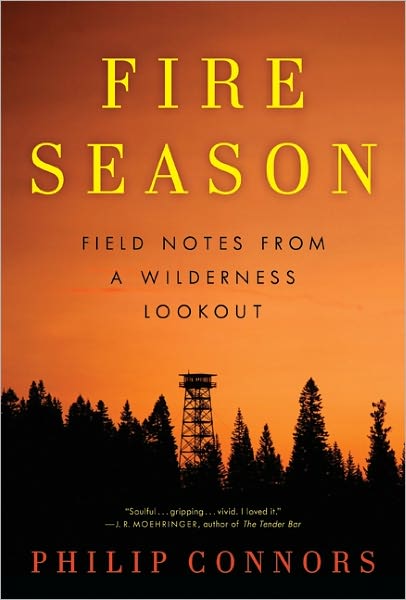
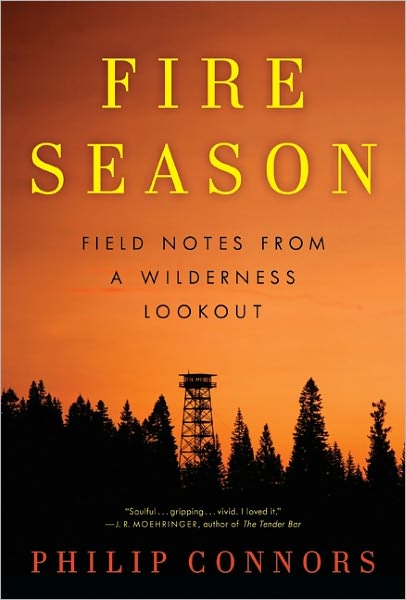
Also, as a librarian, part of my life’s work seems to be providing other people with reading material. I work in a library that runs a paperback collection off donations; I’m always happy to put books into this collection, and really, a “light read” of genre fiction may as well go back into circulation as languish on my shelf never to be reread. Also as a librarian, I’m hyper-aware and extremely appreciative of the prospect of a free and unlimited supply of books to read. Even with all the money in the world, I wouldn’t buy every book I’m interested in reading; if it turns out to be a dud (and some do!), I don’t want it living with me afterwards! But with all the money in the world, I would be likely to buy some of the best books I’ve read from the library that turn out to be excellent. (Most recently, that would be Fire Season and The Heroine’s Bookshelf.)

So I guess what I’m saying, to question of buying vs. borrowing is… both, of course! Moderation in all things (thank you Aristotle), and a place for everything and everything in its place (variously attributed). Some I want to own, but most I think I would borrow, even with all the money and storage space in the world. What I most need is not money or storage space, because we have these wonderful libraries everywhere! (Support your local libraries, friends!) What I most need (besides more storage space, certainly) is more time to read. And some really beautiful, well-crafted bookshelves.

new books. help me decide?

Just like I did a few weeks ago, I’m sharing with you some new books that have just come in here at the library. I’m actually interested in several of these that are well outside my usual areas of interest; don’t know what that’s about.

My library shelf note: “Luz puts off the trip that Abuela wants to make until it’s too late, and ends up making the trip alone, back south to meet her aunt and learn a family secret: what happened to her mother. A coming-of-age story with a Mexican twist.” I think it’s the Mexican twist that draws me to this one.

My library shelf note: “Gwyneth’s sophisticated and beautiful cousin Charlotte has been the one preparing her entire life for time travel; but by some accident, Gwyneth is the one suddenly reeling in time. She must work with Gideon, another time traveler, to solve the mystery of her heritage as they spin through different eras.” Really a YA book, but something interests me here.

My library shelf note: “In this delightful southern romp, Teeny thinks she’s on the right track: about to be married and getting her pastry career back on track. Then her fiancé cheats and slaps a restraining order on her before turning up dead. Now she must turn to her lawyer ex-boyfriend for help.” The southern angle appeals to me, although I think it’s a “cozy” mystery, which is not normally my first choice.

My library shelf note: “Sexy vampires, studly college men, and the local crime boss come to heads in Atlanta, Georgia in this wise, funny urban romp.” I have a number of patrons interested in African-American or “urban” fiction, and I should really read in this genre just to be a little more familiar.

The Butterfly’s Daughter is supposed to be literary fiction, which is fairly standard for me; but the other three combine romance, time travel, and vampires – not areas I read in much or at all! I don’t know what’s come over me, but these books are appealing to me, maybe because of the variety they offer. (That, and my endless quest to stay up to date on what my patrons are reading.)

Am I crazy? Do any of these books appeal to you? What should I pick up first?

another day in the life of a librarian

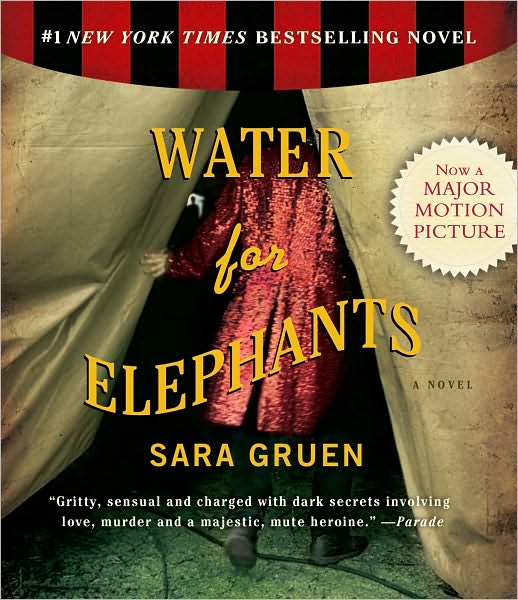
Remember my earlier post, about bringing home too many books? (sigh) I’m tempted every day, but today especially so. I got in a part of my early-May book order. In no particular order, I bought:


And of this order, I’m tempted by soooo many. I’d like to take home…

(…even though the cover looks awfully much like Clara and Mr. Tiffany, another book I want to read). The story of a developmentally disabled white woman and a deaf black man, their love story inside a state school, their subsequent escape, the delivery of their baby in the outside world, and their eventual reunion.

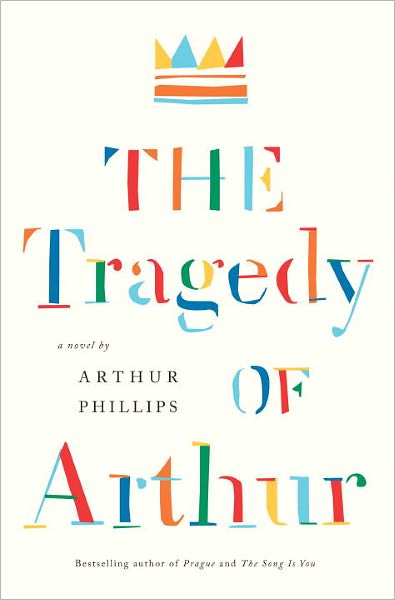
The story of Arthur and his difficulty relating to his con man father, and the lost Shakespeare manuscript that may or may not be legitimate.

Connors tells of the time he spent alone in a tiny tower as a wildfire lookout in New Mexico. Sounds Edward-Abbey-esque.

Ozma and her father made a promise to read together every night for 100 days; but the tradition continued long beyond that commitment. She tells their story through books.

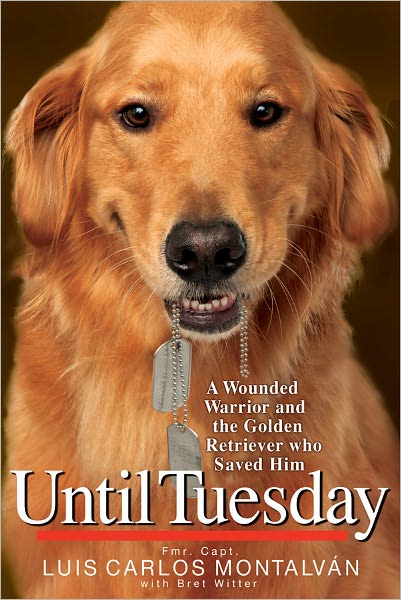
A service dog helps a veteran live a normal life; but more important is the relationship they come to share.


Which newly-released books are YOU especially interested in?

an average day in the life of a librarian

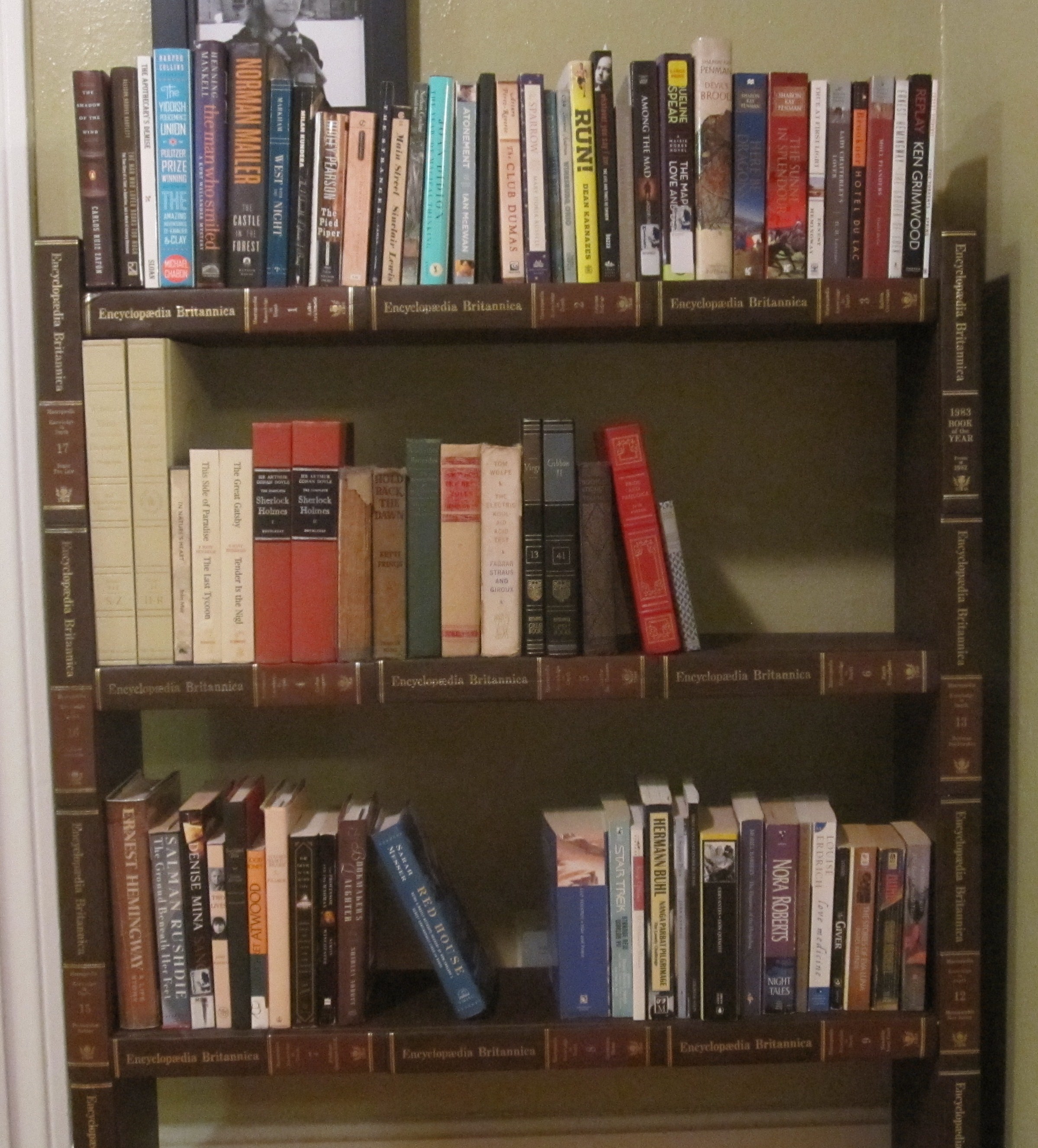
…means taking things home. We will eventually have a storage problem in my house. Or perhaps it has already begun, considering that the books have outgrown my study (Husband calls it the “book cave” which is really unfair as there is lots of lovely natural light streaming in) and the TBR bookcase is in the dining area. Here is a picture, which is now dated; it’s all full up these days…


Some days I just carry my regular work bag, which only allows a book or two along with my lunch and personal effects. But some days I carry a supplemental book bag. Like today. Today I’m bringing home…


Starting upper left and going clockwise:

Hotel du Lac by Anita Brookner. My interest is inspired by Thomas at My Porch, and I’m nearing the end of it now and very well pleased.

The Heretic’s Daughter by Kathleen Kent. Katy at A Few More Pages has written up this and other of Kent’s books, and I’m intrigued.

These Things Hidden by Heather Gudenkauf, which I’ve had my eye on for a while now. Now, litlove (at Tales From the Reading Room) did take issue with this book, calling it commercial fiction. But I’m still interested.

The Red House Mystery by A.A. Milne. The one and only mystery from the author of Winnie the Pooh etc.? I’m sold.

Rebecca by Daphne du Maurier. I’ve never read it (gasp!) and want to; plus I saw this post the other day at Savidge Reads and got a final nudge.

Without Fail by Lee Child. My current genre favorite; he hasn’t let me down yet. It’s always good to have some light pleasure reading lying around!

By-Line: Ernest Hemingway has been discussed here before. I’m still not quite done.

Gone Tomorrow by Lee Child on audio. This is in the car right now. More of my current genre guy.

And… Tales from Watership Down by Richard Adams. On the long list of books I’ve always vaguely intended to read, so I grab when I can.

It’s a dangerous world when you spend over 40 hours/week in a library!!

a collection of destinations for you

Today I wanted to share with you how I start my day, and where it takes me. Maybe you’ll come along.

When I get to the library in the morning, one of the things I try to do as it fits into other necessary morning tasks, is read my Shelf Awareness email. This is a daily digest for booksellers (or, in my case, librarians) with bookish news. A lot of the news regards the bookselling industry specifically – how Barnes and Noble and Borders are doing, profiles of small or family-owned book stores, market trends, and whatnot. These items are not terribly interesting to me, usually, but I skim them and am sometimes interested. I read it, more, for the book reviews and interesting links. Generally, bookish trends are of interest to me and help me do my job. It does pay for me to know what people want to buy because I buy the books for my library and obviously I try to provide what people are wanting these days. If you’re interested in the emails, you can sign up here.

Today, for example, I learned from Shelf Awareness of the renaming of the Boscobel Aerodrome in Orcabessa, Jamaica as the Ian Fleming International Airport. Ian Fleming wrote the James Bond books, reportedly at a “scenic retreat” nearby. That’s a fun fact.

I also found this teaser: “the Guardian asked readers to check their literary balances with a ‘banking in literature’ quiz”, and I thought, oh boy a literary quiz! but it turned out to be quite specifically a quiz about banking in literature, which turns out to be something in which I am not an expert, so that was kind of a flop, for me personally. Maybe you’ll do better.

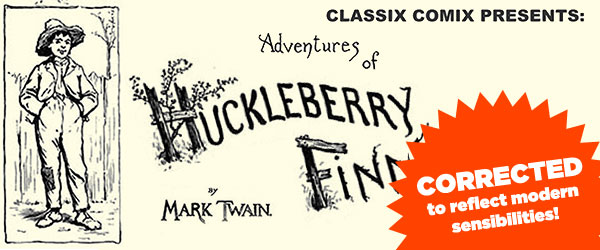
But then I found Tom the Dancing Bug’s classix comix version of the Adventures of Huckleberry Finn (Corrected to reflect modern sensibilities). If you’re reading my reading blog you’re probably the sort of person who is also aware of the general furor regarding NewSouth‘s republication of Mark Twain’s The Adventures of Tom Sawyer and The Adventures of Huckleberry Finn without use of the n-word or “injun”. I will say very briefly that I am scandalized and strongly against this move, for the oft-cited reasons that a) we respect Mark Twain for his original genius and no one should be re-writing him, b) he put those words in on PURPOSE for goodness sake and with a purpose, which included satire and the bringing to our attention that these words are and were overused and wrong, and c) that the use of these very words always incites discussion (as evidenced by this recent furor), which is a good thing. YES these words are offensive, and this offense is still relevent; that’s why we still need Mark Twain’s work as he originally, thoughtfully created it. So. See the above cartoon for what I think is a very clever satire of the republication.

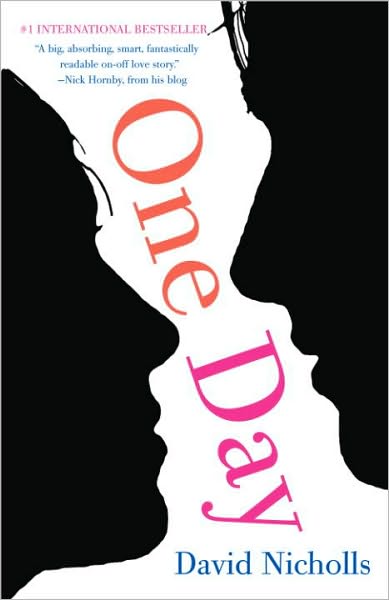
Next, Shelf Awareness tells me that David Nicholls’ book One Day is moving forward and being made into a movie, which was predicted from the very start. I read this book when a patron loaned it to me, and I enjoyed it fine, although I definitely agreed with Publishers Weekly’s view that it was made for the screen. I don’t watch a lot of movies (largely because the Husband doesn’t like to) but I do like Anne Hathaway, who’s in this one, so I may find a way to see it (without the Husband).

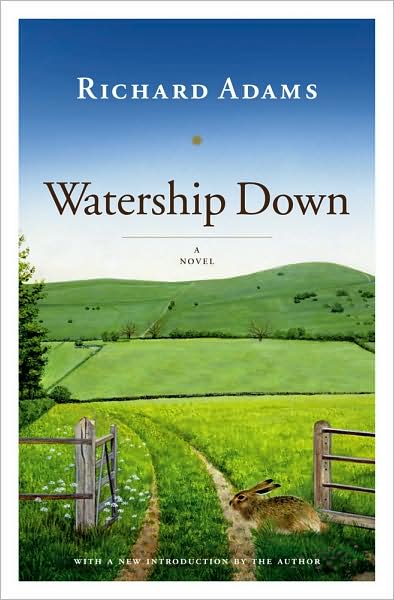
Something else I got out of today’s Shelf Awareness email – and this is a little embarrassing – but when I followed the above link to that ‘banking in literature’ quiz, I found mention of Watership Down as “bucolic children’s fiction”, which didn’t sound familiar to me. I mean, I know the name Watership Down (by Richard Adams), but didn’t think it was a children’s book; I think I had it crossed up in my head with Fahrenheit 451 or Slaughterhouse 5 or something. So I had to go look up Watership Down, and it sounds lovely (and also it turns out that at least somebody on wikipedia agrees with my vague impression that it’s highly allegorical), and now I am determined to read this book because it sounds great. So there you go, after clicking several links and looking things up, I have a new book TBR, and I guess that’s part of what Shelf Awareness is all about.

Finally, in my blog explorations, I came across a really, really delightful post today from author Sharon Kay Penman, in which she discusses historical accuracy, her dedication to it (hear hear! something I blogged about earlier), her responsibility to us readers, and some specific challenges. For example, the personalities she writes about, from the Middle Ages, have significantly different values from ours, regarding women’s rights, animal cruelty, conduct in warfare, etc. I highly recommend taking a few minutes to read this post from an author I deeply respect. (Sharon Kay Penman–>)

You’ve just taken a tour through my morning ramblings on the interwebs; hope you’ve found something interesting. 🙂 What do you play with on the internet to find bookish news or tidbits?

catching up: Niffenegger weekend

Hello there. Sorry I’m slow to cover my weekend’s reading for you. Here I am now!

This was a fun weekend because the Husband did a marathon mountain bike race while I watched and supported for a change. He did much better than he had hoped, and seemed to do it pretty easily too, so I’m very proud. I had a good time watching a number of friends do very well, in fact.

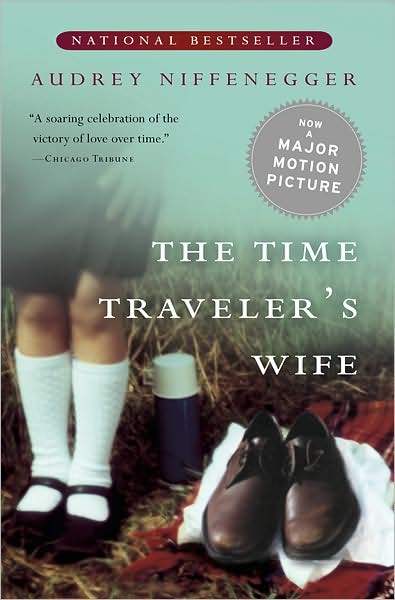
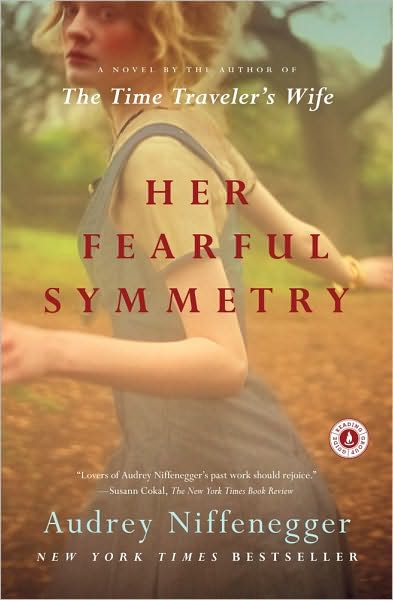
I also managed to finish Audrey Niffenegger’s The Time Traveler’s Wife and then Her Fearful Symmetry (finished today at lunch), so it’s been a Niffenegger-heavy weekend. I didn’t intend to read two of hers in row, but was already reading and enjoying Time Traveler when a library patron brought me her personal (autographed) copy of Symmetry, to borrow – thereby making me feel like I should read it next…

So first things first. The Time Traveler’s Wife was very enjoyable! I felt like it had a little lighter feel to it earlier in the book, then gets a little more thoughtful, dark, contemplative, and frightening later in the book. This is actually appropriate, for Clare’s point of view, since she takes her time-traveling husband lightly when she’s younger, only realizing risks & dangers as she grows older. When she is an adult and understands all the implications, things become very frightening indeed. I found all the emotions and reactions pretty human, and was very absorbed in the characters. I also found the novel’s implied questions, about fate, sequence, causality, responsibility, forgiveness, and other issues of humanity, to be compelling. The time-travel construct worked well for me. I was impressed by a beautiful, romantic story with believable characters. I was also impressed with some of the emotional scenes Niffenegger managed to “paint” for us, like the dream sequences on pages 373-4.

And, I found myself crying. Again! Something strange must be happening to me. At least I can say it’s NOT my biological clock 🙂 because I continue to be just a little impatient with all the maternal stuff in several books I’ve been reading over the last several months: The Time Traveler’s Wife, Audrey Niffenegger; Still Missing, Chevy Stevens; Look Again, Lisa Scottoline; I’d Know You Anywhere, Laura Lippman; My Sister’s Keeper, Jodi Picoult – just off the top of my head. I’m a bit fed-up with motherhood and maternity as themes, and have decided to purposefully avoid (in the near future at least) Emma Donoghue’s Room, which I’ve been interested in for months now, because it sits pretty squarely on those themes.

I give this one a strong rating and am glad I finally picked it up.

With some hesitation, then, I picked up Niffenegger’s Her Fearful Symmetry as my next read. I hesitated because I rarely read the same author, or even theme or style or subject matter, back-to-back. I don’t even think I can remember reading back-to-back in a series. I guess I just feel like my brain likes a break, a palate-cleanser if you will. So with slight trepidation I began the next book; and I think I was right to be a bit nervous, because the first book ends with a death and a partner mourning, and the second book begins with a death and a partner mourning, and really never gets much happier than that. No, they’re not serial, just continue a similar tone.

Plot synopsis: Twins Valentina and Julia do not know their mother’s twin sister Elspeth until they inherit Elspeth’s London flat. There are two conditions: they must inhabit the flat for a year before they can sell; and their parents cannot set foot in it. Upon arriving in London, these ethereal, deeply attached young girls meet their interesting neighbors: Martin is an endearing but very sick obsessive-compulsive; and Robert was Elspeth’s lover, and is having quite a bit of trouble “letting go” her memory. They also get to know their mysterious aunt.

The melancholic, obsessive grief that starts this book doesn’t really let up. Perhaps I simply wasn’t in the mood to be made to feel this way, but I didn’t *love* this book as much as I did Time Traveler. I think it was almost every bit as well-crafted, and the emotions (while disturbing) still rang true; but it was just a bit too creepy. I won’t go any further for fear of spoiling, but this was a creepy book. To be fair, I had trouble putting it down; I think it was well done. But it didn’t feel as good. I think The Time Traveler’s Wife accomplished a feat: it took me through a range of emotions and life stages and, if it didn’t tie things up in a happy cozy way, at least it tied things up in a way that felt very complete. Her Fearful Symmetry, on the other hand, explored dark emotions rather deeply without a great deal of light. The paranormal aspects in the first book were a quirky vehicle through which to experience emotions and relationships and ask interesting questions. The latter read more like a ghost story (more and more so as the story develops), with an ending that was a little Poe-like in its creepiness.

I preferred the first, obviously, although if you were a bit more open to the ghost-story aspect, you might like the second better than I did. I believe even objectively, though, the first was a greater achievement. Or maybe I just shouldn’t overindulge in Niffenegger, hm?

I’ve heard a fair amount about her recent graphic novel, The Night Bookmobile, as well. Librarians and libraries and books play an important role in Niffenegger’s work in general (Henry from The Time Traveler’s Wife is a librarian; Elspeth from Her Fearful Symmetry is a bookseller), and the starring role in this latest. But the consensus amongst the library groups I hear from seems to be that her treatment of the librarian in The Night Bookmobile is downright and absolutely creepy. They don’t seem to like it. Again, maybe we just need to be looking for a ghost story? Or is there really something “wrong” with these stories? Presumably there are readers out there who love them. Any thoughts?

in praise of librarians

I almost forgot (shame!) to share this snippet with you, from James Lee Burke’s The Tin Roof Blowdown (are you sick of hearing about this book yet?):

“Then I used the most valuable and unlauded investigative resource in the United States, the lowly reference librarian. Their salaries are wretched and they receive credit for nothing. Their desks are usually tucked away in the stacks or in a remote corner where they have to shush noisy high school students or put up with street people blowing wine in their faces or snoring in the stuffed chairs. But their ability to find obscure information is remarkable and they persevere like Spartans.”

…and then the librarian cracks the case wide open! Robicheaux eventually got a call back from the FBI providing some of the same information but the library beat them to it. Good for you Mr. Burke. 😉