






 My difficulty and back-and-forth feelings about Annie Dillard continue with this epic story of pioneer families in my place of residence, Bellingham, Washington.
The Living spans more or less the second half of the 19th century, and it expands to fill all those years and all that space. It is a big story, with lots of characters – several families, over generations – and I’m not sure it ever chooses one or several to center around. This is not a book that benefited from my regrettable new habit of taking months to finish an audiobook: I flailed a little in trying to finish, and I confess a feeling of relief now that it’s over.
There were certainly strengths. Dillard is an inspired writer, some of the time, and there were certainly passages I paused to appreciate, and will share with you here, in a little while. The stories were often moving – individual episodes, that is, within the larger saga – and the characters were often compelling, interesting, diverting people I wanted to get to know better – but again, only for a moment, and then we’d zoom out and on to a different character who was less intriguing. These were all small pieces of a whole that, as a whole, failed to capture my attention. There were moments of glittering, evocative, engaging story or character, but then we returned to a larger, sweeping view that repeatedly challenged me to continue to care. Again, this might work better with a quicker reading. It certainly didn’t work for me in the way I experienced the book.
Witness these shining moments of writing, though…
She lay under mats in the bottom of a canoe once, during the Indian troubles, and Rooney told the Haidas she was clams. Lived in five or six different places, including a stockade. She felt her freedom, reared two boys to manhood, busted open this wilderness by the sea, buried the men on their lands. She saw a white horse roll in wild strawberries and stand up red. She took part in the great drama. It had been her privilege to peer into the deepest well-hole of life’s surprise. She felt the fire of god’s wild breath on her face.
Great imagery there, and a strong retrospective view of the gravity of this woman’s life and what she’s seen.
He had long ago concluded that he possessed only one small and finite brain, and he had fixed a habit of determining most carefully with what he would fill it.
A funny and wise moment.
She read books as one would breathe air, to fill up and live. She read books as one would breathe ether, to sink in and die.
And, who among us doesn’t love such a quotation?
But the whole thing might have worked better if presented as a series of vignettes; the parts of it that I loved were relatively few and brief, with a great deal to be slogged through in between. Dillard created some likeable characters, but it’s almost as if she didn’t like them very much, herself. She asked some interesting questions about humankind and the broader sense of what we’re doing here, but she spent so much time setting them up as sort of clinical questions that she forgot to make me care about them, or about the little creatures involved.
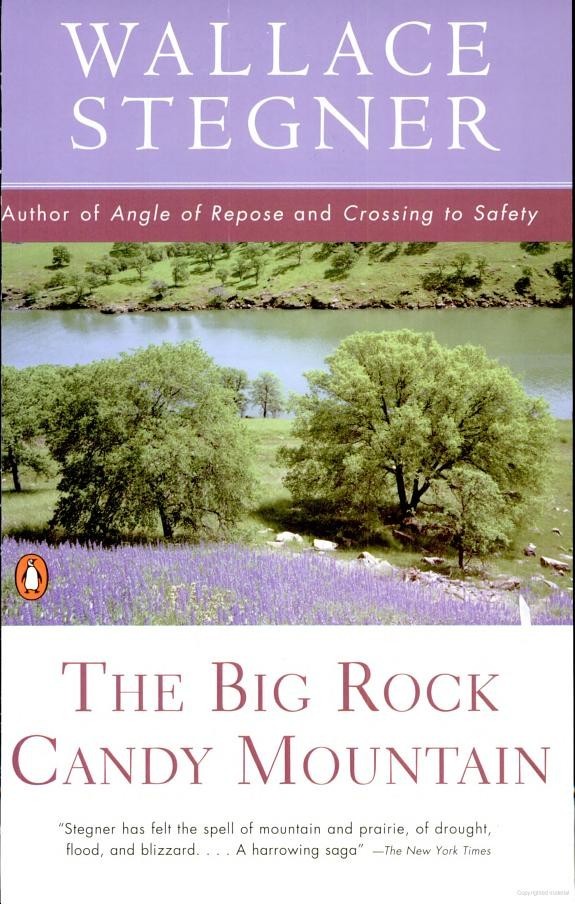
I’m sorry to say this one didn’t work for me, especially (by coincidence) as it came up against Stegner’s The Big Rock Candy Mountain, an infinitely better, more compelling story with its own momentum.
This review was short because I’m a little sick of The Living and very glad to be quit of it. I’m sorry. You can find better reviews elsewhere; me, I’m looking forward now, not back.
Filed under: book reviews | Tagged: Annie Dillard, audio, historical fiction | 2 Comments »




 pagesofjulia