






A woman troubled by old crimes and loss reaches out to an old friend, with disastrous consequences in this chilling commentary on gender in society.
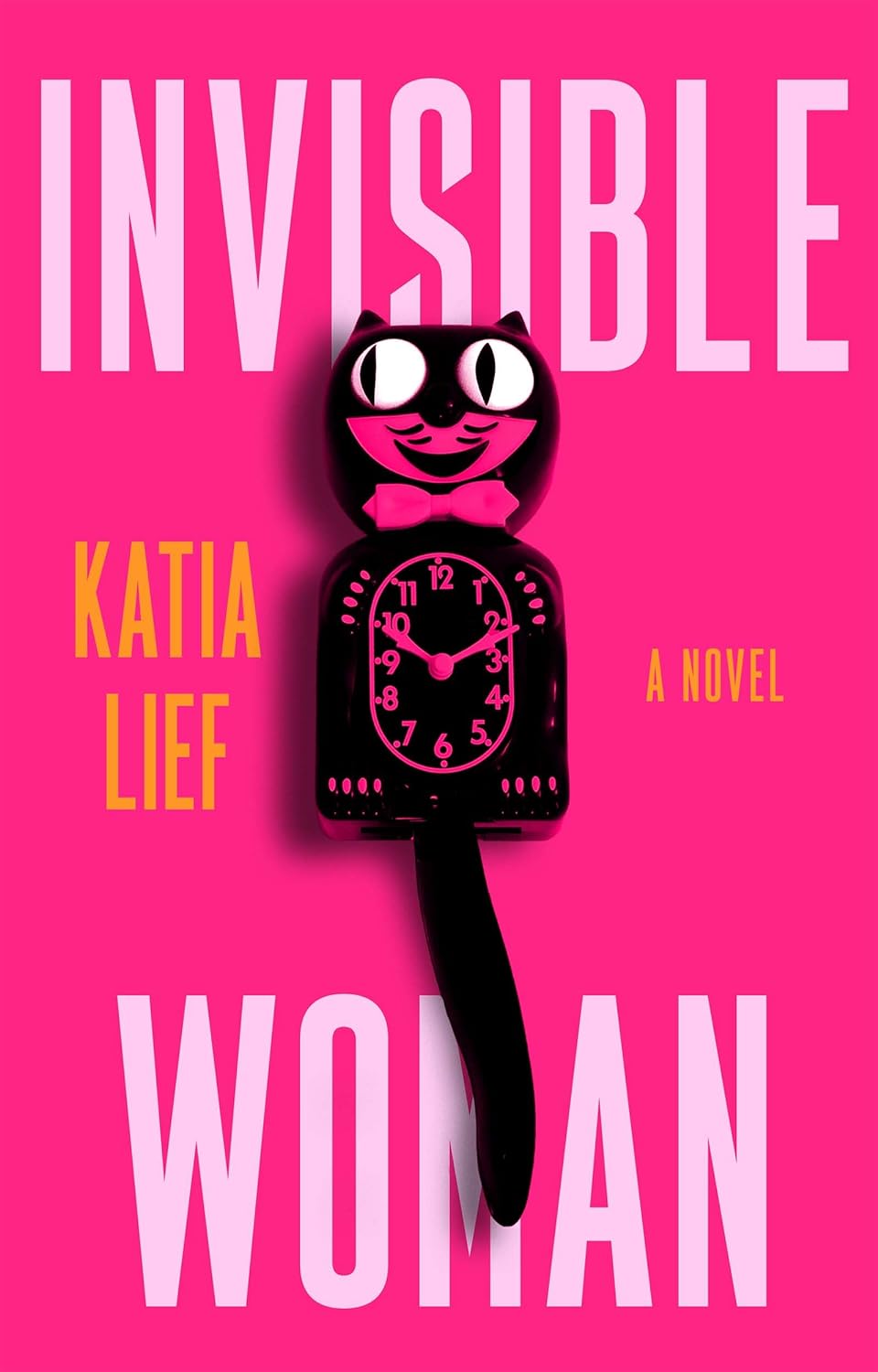
With Invisible Woman, Katia Lief (Five Days in Summer; The Money Kill) follows a woman navigating professional life, family, friendship, and societal roles, attempting to reconnect with an old friend whose path diverged from hers decades ago. Their stories are individually compelling, as well as offering questions relevant to the #metoo era.
Joni Ackerman had been a pioneering filmmaker in the 1980s and ’90s, and her best friend and former college roommate, Val, was a promising up-and-coming actor. A secret trauma caused the two young women to grow apart; Joni married, had children, and slowly slid beneath the surface of her husband’s sparkling career in television. The novel opens in 2018, when a fresh film-industry scandal emerges that sends Joni looking for her friend. Joni feels that the time has come to speak out about an old crime, but Val wishes to remain in obscurity, and Joni’s husband, Paul, wants to let sleeping dogs lie. Joni wrestles with her long-lost friendship over a significant divide of time and suffering. Her marriage has been strained for years, and a recent cross-country move has left her isolated. She dives into the novels of Patricia Highsmith, in editions long ago given to her by Val, for comfort and escape, but as real life grows darker and weirder, Highsmith’s gritty psychological thrillers start to feel all too close to reality.
The concerns of Invisible Woman are firmly rooted in #metoo, #timesup, and the historical and continuing challenges of women in the entertainment industry. Joni loves her daughters but grapples with what it’s cost her career to become a mother: early in the novel, she’s invited to appear at a film retrospective in a series called “Lost and Forgotten.” She struggles with personal and family difficulties, and with alcohol. Highsmith was a strong influence on Joni’s highly regarded work in film, but also threatens her tenuous grasp on reality. Readers will root for Lief’s carefully crafted protagonist, even as her decisions become increasingly irrational.
Invisible Woman twists and turns, its escalating dangers alternating with fresh reveals, as momentum builds to a breaking point. Joni is compulsive, troubled, but sympathetic; Val is less central but exerts a force of her own. Characters develop quickly from disagreeable but benign to chilling and dangerous; some readers will find this atmospheric novel engaging and disturbing enough to lose sleep. A literary psychological thriller, cultural study, and heartbreaking story of friendship and loss, Joni’s unforgettable story involves layers of lies and the dangers of self-sublimation. Lief chills, entertains, and challenges.
This review originally ran in the October 27, 2023 issue of Shelf Awareness for the Book Trade. To subscribe, click here.
Filed under: book reviews | Tagged: gender, psych drama, Shelf Awareness, thriller |
 pagesofjulia
Leave a comment