






An accessible study of Seneca, adviser to the appalling and scandalous Roman emperor Nero.
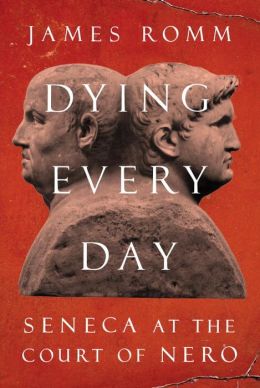
Classical historian James Romm tackles Nero’s Roman Empire, and the controversies and contradictions of the moral philosopher Seneca, in the appropriately titled Dying Every Day.
Nero became emperor in 54 A.D., at the age of 16, under the thumb of his overbearing mother, Agrippina. Like his uncle Caligula–who had also come to the throne at a young age–Nero scandalized Rome with debauchery, exhibitionism, violence and terror. Romm’s chapters are tellingly named: Fratricide, Regicide, Matricide, Matriticide and Holocaust are bookended by two Suicides, the whole capped by an epilogue entitled Euthanasia.
Nero’s legacy is fairly straightforward, but the tutor brought out of exile to prime him for autocratic rule is a more complex character. Seneca was a Stoic who admired Socrates and Cato, prolifically produced moral treatises and scorned wealth. In his role as Nero’s teacher, mentor and trusted senior adviser, however, he colluded in murders within the royal family and amassed a personal fortune. His prose and drama leave behind a contradictory image, and historians from his contemporaries through the present day have puzzled over his true character. Ascetic Stoic moralist or conniving courtier? Romm (Ghost on the Throne) doesn’t claim to settle the centuries-old mystery, but sheds light using ancient sources and occasional references to modern critics, joining his readers in marveling at a regime remembered by history for its shocking excesses.
This review originally ran as a *starred review* in the March 18, 2014 issue of Shelf Awareness for Readers. To subscribe, click here, and you’ll receive two issues per week of book reviews and other bookish fun!
Filed under: book reviews | Tagged: history, nonfiction, Shelf Awareness, starred |
 pagesofjulia
Leave a comment